Your Protein Obsession Might Be Constipating You
Protein and creatine are the biggest supplement trends going. And a high-protein push often crowds fibre off the plate — right when most people are already short.
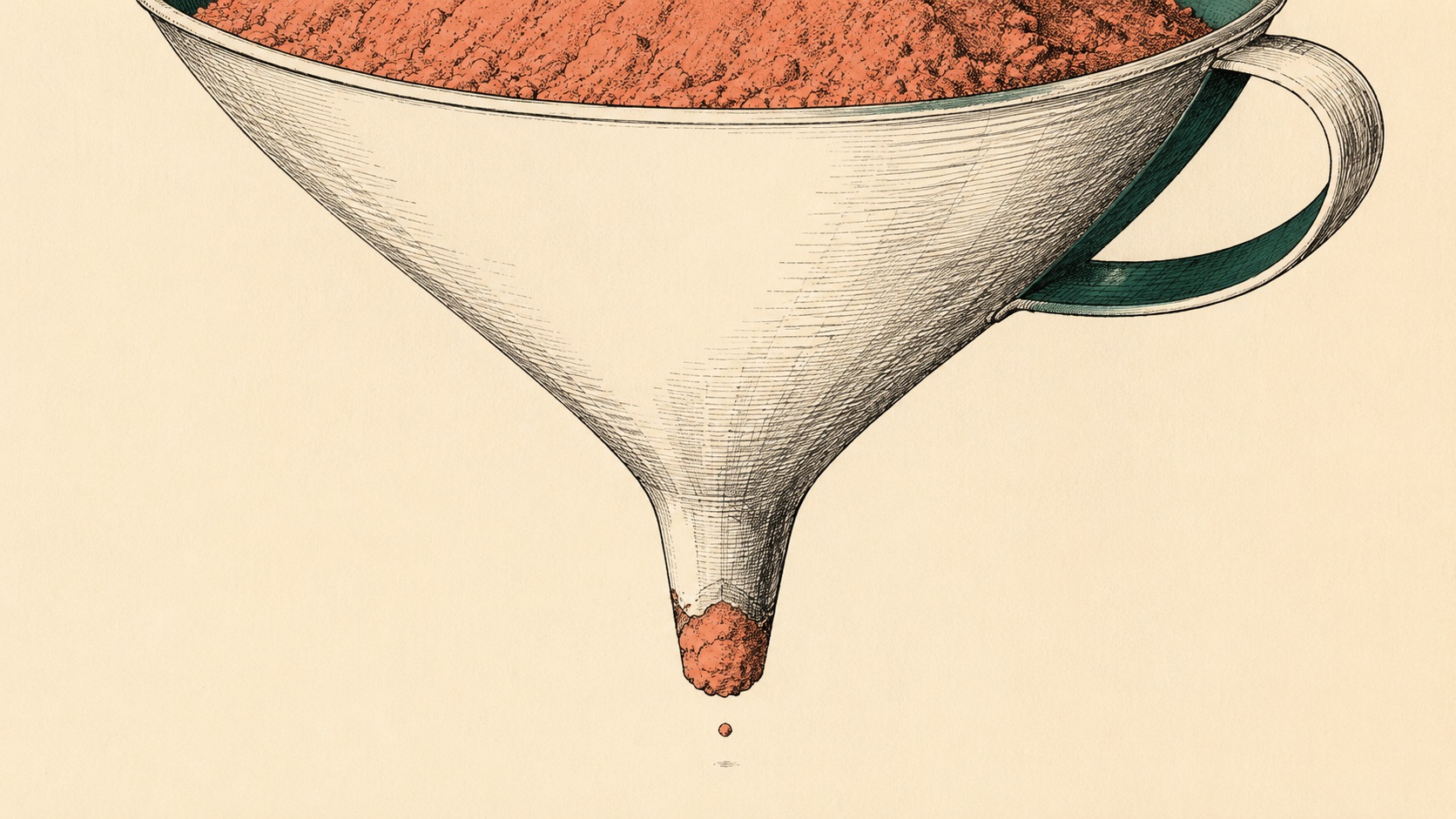
Protein does not constipate you directly, but a high-protein diet often displaces fibre-rich foods, and fibre is what keeps stool moving. With over 90% of women and 97% of men already short on fibre, that gap widens. The fix is not dropping protein — it is pairing it with fibre and drinking more water.
Part of our tracker: Protein drinks & snacks →
Protein is having the biggest moment of its life. It is the number-one thing shoppers now say makes a food “healthy,” protein supplement sales cleared eight billion dollars, and creatine has gone mainstream. Chances are you are trying to eat more of it. Here is the plot twist nobody posts about: if your digestion has gotten sluggish since you started chasing your protein goal, the two are very likely connected.
The mechanism: Protein does not do this — the crowding-out does
Protein itself is not the villain, and it does not “bind you up” directly. The problem is what a protein-maximising diet tends to push off the plate. Every gram of chicken breast, whey shake or steak is a gram of something else you are not eating — and the something else is usually fibre-rich carbohydrate: beans, fruit, whole grains, starchy veg. Fibre is what gives stool its bulk and keeps it moving. Displace it with protein and the predictable result is slower, harder, more reluctant bowel movements.
The gap this lands on: Most people are already short
This bites because it starts from a deficit. Per the Dietary Guidelines for Americans, more than 90 percent of women and 97 percent of men already fail to hit the recommended fibre intake. A high-protein push, if it is not built carefully, tends to widen that gap rather than close it — you are adding more of the nutrient people already over-index on and squeezing out the one they are most short of.
Protein does not constipate you. Letting it crowd fibre off your plate does — and most people were already short on fibre to begin with.
The two multipliers: Water and creatine
Two habits that travel with high-protein diets make it worse. The first is water: fibre needs it to work, and higher protein intake raises your fluid needs, so under-drinking while “bulking” is a common own-goal. The second is creatine, the other supplement of the moment — it works partly by pulling water into your muscles, which can leave less available in the gut if you are not drinking enough, and large “loading” doses give some people GI upset. None of this means stop; it means hydrate like you mean it.
The fix: Pair, do not replace
You do not have to choose between your protein goal and a functioning gut — you just have to stop treating them as separate projects. Pair protein with fibre at the same meal: beans and lentils (protein and fibre in one), Greek yogurt with berries, a shake with a piece of fruit, chicken on top of a real pile of vegetables. Drink more water than feels necessary. If you want a target, work toward the fibre most people miss — roughly 25 grams a day for women, 38 for men — building up gradually so you are not trading constipation for gas.
If things have properly seized up in the meantime, our guide to getting things moving covers the short-term fixes. And if constipation persists for weeks despite more fibre and water, that is worth raising with a doctor rather than powering through. This is educational, not medical advice.