Why Am I Constipated? The Real Causes
The answer is usually hiding in the ordinary details of a diet or a day — but not always. The full range of causes, from fiber to medications.
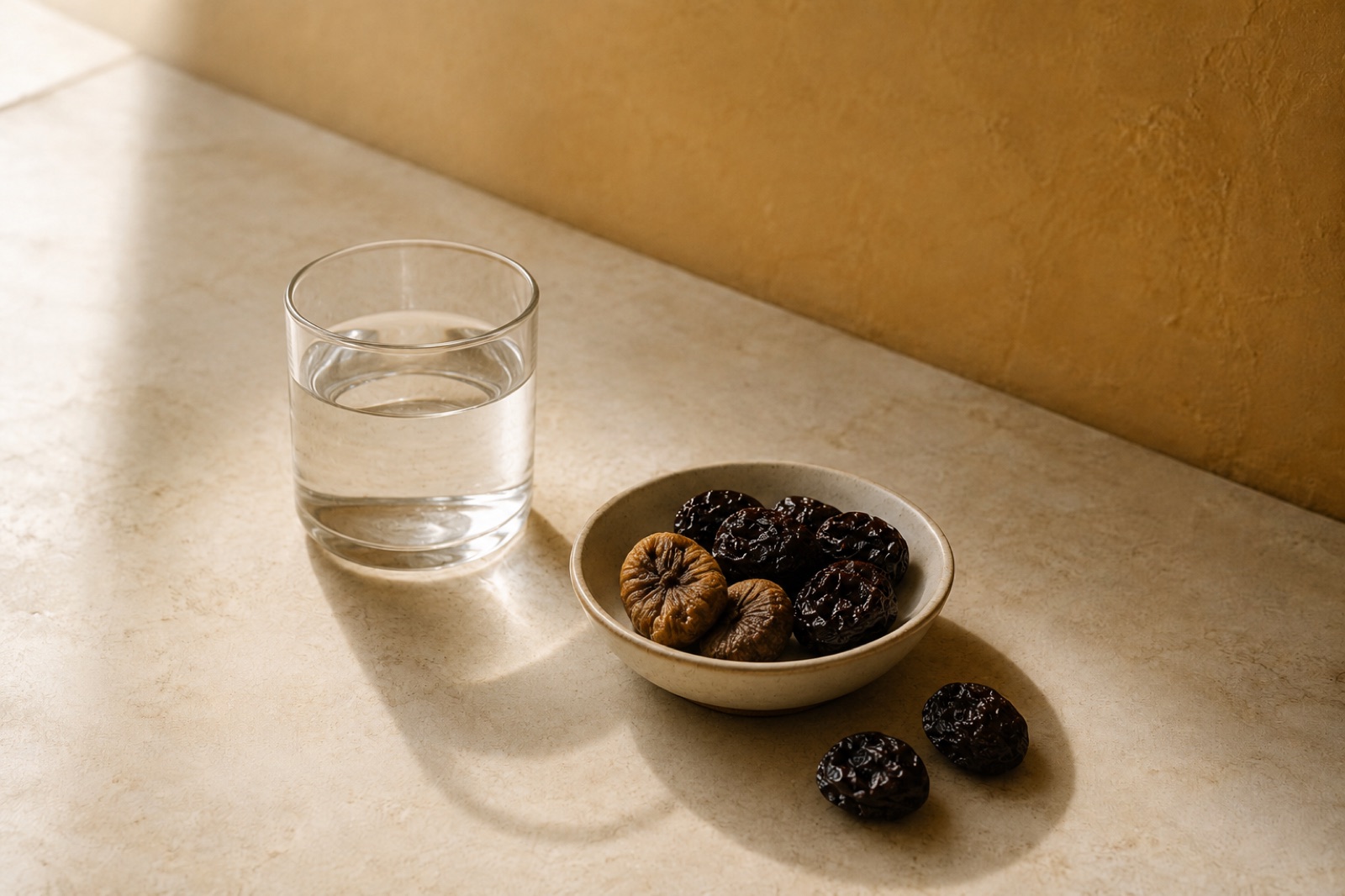
Constipation is usually lifestyle: too little fiber, fluid, or activity, or ignoring the urge. Medications (opioids, iron, some antidepressants) and conditions like an underactive thyroid also cause it. See a doctor if it is lasting or comes with pain, blood, or weight loss.

Constipation is so common it barely registers as a condition — roughly one in five adults deals with it — and yet the question people actually ask is not how do I fix it but why is this happening to me. The answer is usually hiding in plain sight, in the ordinary details of a diet or a day. But not always, and knowing the full range of causes is what tells you whether to reach for prunes or the phone.
The mechanics of a slow gut: What constipation actually is
At its root, constipation is a timing problem. When stool moves too slowly through the colon, the colon keeps doing what it always does — drawing water back out of the waste — and the longer it sits, the drier and harder it gets, until it is difficult and uncomfortable to pass. Almost every cause below is really just a different way of slowing that traffic down.
Constipation is a timing problem. Slow the traffic, and the colon dries the stool out until it is hard to pass.
The everyday causes: Fiber, fluid, movement, and routine
For most people, the culprit is lifestyle, and the Cleveland Clinic and NIH name the same short list. Too little fiber, which is what gives stool the soft bulk a colon can move. Too little fluid, which lets the stool harden. Too little physical activity, since movement keeps the gut’s own muscles working. And the quiet one people overlook: ignoring the urge to go — too busy, wrong bathroom — which over time teaches the colon to go quiet. Travel and any disruption of routine hit the same levers, which is why a new time zone so reliably backs people up.
The medications that constipate: A very common, very missable cause
One cause is easy to miss because it does not feel like a cause at all: your medicine cabinet. A striking number of common drugs slow the bowel. Opioid painkillers are the most notorious. But iron and calcium supplements, some antidepressants, certain blood-pressure medicines, and many antacids do it too. If constipation began around the same time as a new prescription or supplement, that timing is a strong clue — and a good thing to raise with a doctor or pharmacist rather than simply endure.
When a condition is behind it: The medical causes
Sometimes constipation is a symptom of something upstream. An underactive thyroid slows many bodily processes, digestion included. Long-standing diabetes can damage the nerves that run the gut. Neurological conditions such as Parkinson’s disease and multiple sclerosis interfere with the signals between brain and bowel. Irritable bowel syndrome and pregnancy both commonly bring constipation. These are worth knowing not to alarm, but because they explain the cases that do not budge with fiber and water alone.
What to do about it: Relief, and when to get help
For the everyday version, the fixes match the causes: more fiber added gradually, more fluid, more movement, and honoring the urge — the full playbook is in how to make yourself poop. What changes the plan is persistence or company. See a clinician if constipation is new and lasting, if it does not respond to the basics, or if it comes with severe pain, vomiting, blood, unexplained weight loss, or stool that has become persistently thin — and know how long you can safely go before it is worth a call. Sources for this piece include the Cleveland Clinic, Mayo Clinic, and the NIH.
The reassuring truth is that most constipation traces to a handful of fixable habits, and answers to a handful of dull, dependable changes. The value in knowing the whole list is simply this: it tells you which cases are yours to solve, and which ones deserve a second opinion.