Do You Actually Need a Parasite Cleanse? The Real Parasite Story Is Wilder
Papaya seeds, wormwood tinctures, full-moon protocols, and hundreds of millions of views. Doctors say the “worms” in the photos are mucus and fibre — and the parasites that actually sicken Americans arrived on this summer’s salad.
Physicians reviewing the parasite-cleanse trend say there is no evidence papaya seeds, wormwood-clove tinctures or salt flushes clear parasites, and that the stringy material in results photos is overwhelmingly intestinal mucus and undigested fibre — some produced by the cleanse ingredients themselves. Real US parasite infections, like giardia and the cyclospora behind 2026's lettuce outbreak, arrive mainly through contaminated water and produce, are diagnosed with a stool test, and are treated with prescription antiparasitics. Persistent symptoms deserve testing, not a tincture.
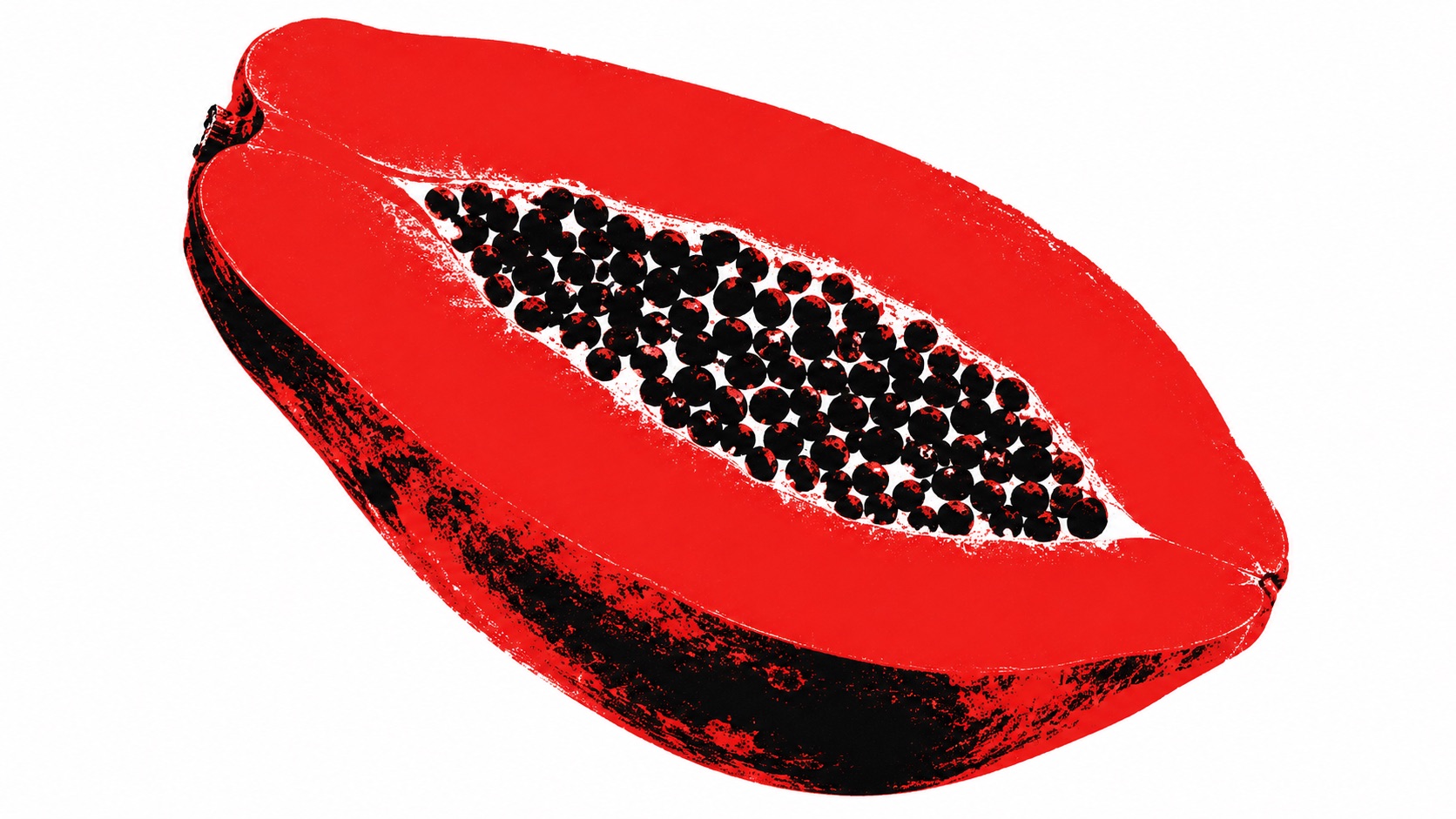
Somewhere on your feed right now, someone is holding a jar of papaya seeds and telling you that you almost certainly have parasites — and that the proof will be visible in the toilet by day three of their protocol. Parasite-cleanse content has piled up hundreds of millions of views, an entire supplement shelf has grown up around it, and its best-known creator has an audience in the seven figures. It is also one of the cleanest examples on the internet of a trend built on a picture that does not show what it claims to show. The real parasite story is genuinely more interesting. Let us do both.
The trend: What is a parasite cleanse?
The protocols vary but rhyme: papaya seeds eaten by the spoonful, tinctures of wormwood, clove and black walnut (ParaGuard is the shelf staple), salt flushes, and sometimes a schedule pegged to the full moon — the theory being that parasites are more active then. The promised evidence is photographic: stringy material in the toilet, presented as dead worms leaving. The pitch lands because it offers one tidy explanation — and one purchasable fix — for the least tidy symptoms there are: fatigue, bloating, brain fog, cravings.
The picture: Are those actually worms?
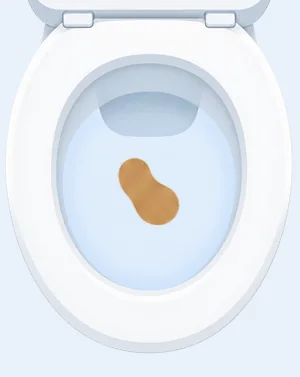
Almost never. As physicians interviewed by NPR and gastro reviewers writing for university health services keep explaining, the stringy material in cleanse photos is overwhelmingly intestinal mucus and undigested fibre — and, in a neat bit of circularity, some of it is produced by the cleanse itself, since psyllium and other cleanse ingredients form exactly the kind of gel-like casts people then photograph. Mucus in stool is a normal thing a gut makes more of when it is irritated, which a spoonful of papaya seeds and a wormwood tincture will reliably accomplish. We covered what mucus in stool actually means separately.
The before-and-after photo is real. What it shows is the cleanse irritating your gut — not parasites leaving it.
The premise: Do you actually have parasites?
Statistically, in the United States, with treated water and modern sanitation: probably not — that is the consistent position of the infectious-disease and GI physicians quoted across the trend’s coverage. Intestinal worm infections are real and common globally, but they are not the hidden epidemic behind American fatigue and bloating. And the diagnosis is not a vibe: a stool test can find parasites, and when one is found, the treatments are specific prescription antiparasitics dosed to the organism — not a botanical blend dosed to the moon.
The plot twist: The parasites that actually make Americans sick
Here is the part the cleanse content never gets to: parasites genuinely do sicken thousands of Americans every year — they just do not look like the videos. They look like giardia after a sip of untreated lake water, and like cyclospora, the microscopic parasite behind this summer’s iceberg-lettuce outbreak — thousands of confirmed cases across more than a dozen states, traced to contaminated produce, not to anyone’s unclean gut. Both are diagnosed with a stool test, both are treatable, and neither is touched by papaya seeds. If parasites interest you, the supply chain is where the real story lives — including what washing your lettuce can and cannot do about them.
The fine print: What the cleanses themselves can do
Reported plainly rather than as alarm: cleanse regimens are unregulated supplement stacks, and the reviews of them note the practical consequences — papaya seeds and tinctures commonly cause the cramping, diarrhoea and nausea that get rebranded as “die-off,” wormwood is a strong botanical that clinicians specifically flag at sustained doses, and a weeks-long cleanse can leave a genuinely irritated gut behind it. The circular economy of the trend is worth seeing clearly: the product creates the symptoms that the product then explains.
The verdict: A stool test beats a moon protocol
If you have persistent fatigue, bloating, diarrhoea or unexplained weight loss, those symptoms are real and they deserve a real answer — which is exactly why handing them to a $30 tincture is a bad trade. A clinician can test stool for actual parasites, and for the far more common non-parasitic explanations behind the same symptoms. If a parasite turns up, you will get a drug that kills it. If none does, you will have saved yourself a month of cramping and a jar of seeds. We keep the running file on viral gut hacks updated for a reason. This article is educational, not medical advice.