Protein Soda Is Suddenly Everywhere. Here’s What 15 Grams of Whey in a Can of Fizz Does in Your Gut
Premier Protein went nationwide with a clear, bubbly 15-gram can in August, Protein Pop announced a fiber-and-collagen version headed for Target, and the flavour-rating videos are running. The biggest can has five ingredients. The one making a gut claim has not published its label.
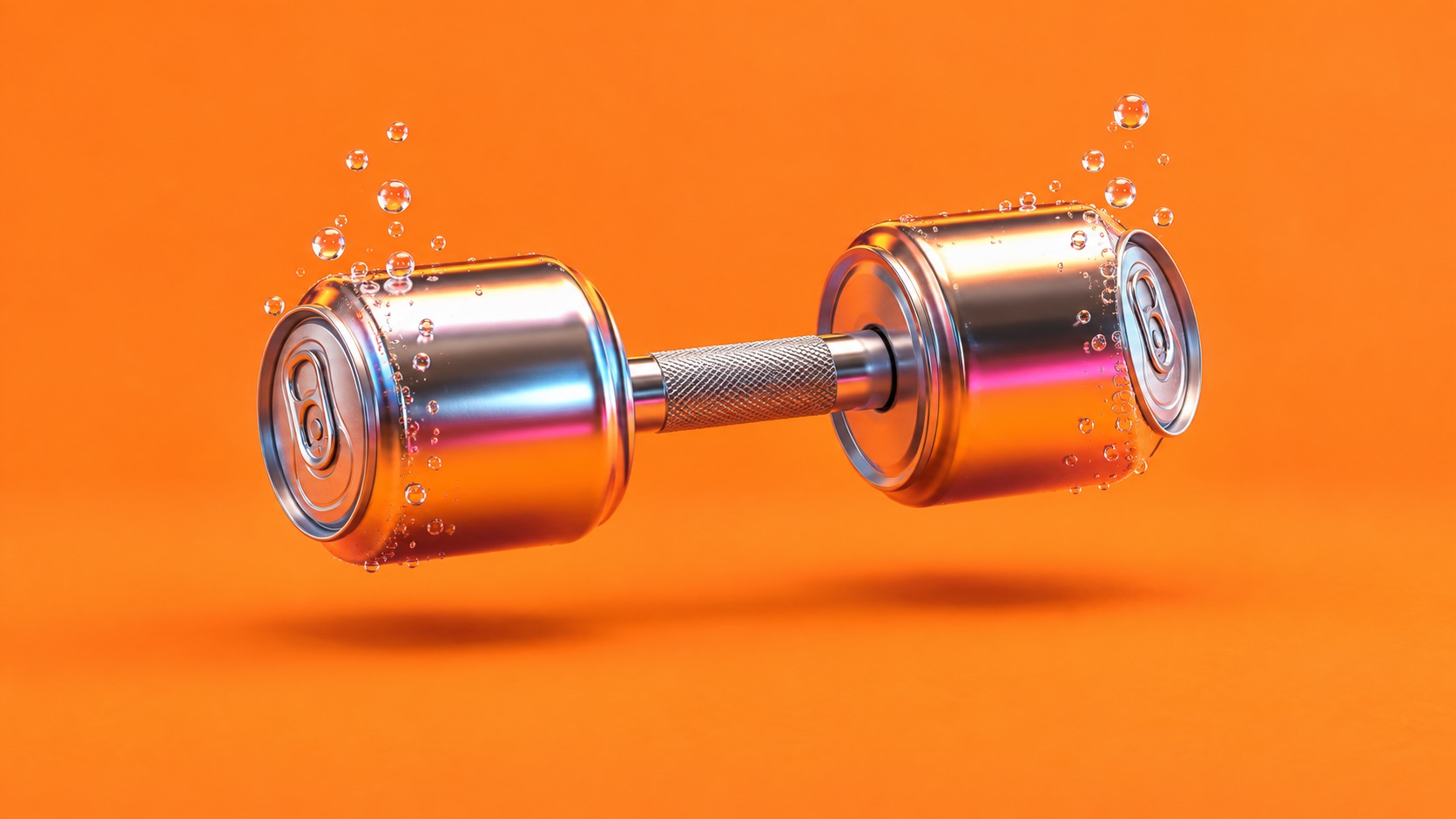
Premier Protein's Sparkling Protein Soda, nationwide since August 2026, lists five ingredients (carbonated water, whey protein isolate, cane sugar, natural flavors, stevia extract) for 90 calories, 3 grams of sugar and 15 grams of protein per can; Protein Pop Balance, announced September 3 for Target in mid-September, promises 10 grams of whey isolate, 5 grams of collagen and "5g of gut-happy fiber" but has published no ingredient statement, fiber source or calorie count. Whey protein isolate is at least 90 percent protein with lactose significantly removed, so the usual milk trigger is mostly absent. Protein is digested efficiently, with 86 to 90 percent of dietary nitrogen absorbed before the colon in ileostomy studies; the remaining tenth is fermented by colon bacteria, and high-protein, low-carbohydrate eating shifts that fermentation toward ammonia, phenols and hydrogen sulphide, the compound behind sulfur-smelling gas. A three-week trial of extra casein and soy protein in 38 adults shifted bacterial metabolism toward amino-acid degradation without changing the community or causing inflammation, and whey trials at 21 and 70 grams a day reported no tolerability signal, so a single 15-gram can is unlikely to bother most people; the day's total protein and the fiber it displaces matter more. Carbonation raises short-term fullness without altering gastric emptying and improved dyspepsia and constipation in a two-week trial. Stevia did not impair glucose tolerance in the 120-person Cell sweetener trial, though every sweetener altered the microbiome, and the human evidence is short-term. The only collagen-digestion study used 20 grams, had no control group and was industry-funded; at 5 grams there is no evidence. Educational, not medical advice.

Part of our tracker: Protein drinks & snacks →
The protein shake has been thick, cold and vaguely medicinal for thirty years, and the industry has decided that was the problem. Premier Protein’s Sparkling Protein Soda — 15 grams of whey in a clear, bubbly, lemon-lime can — went nationwide in August from the biggest name in the category, whose parent company told analysts it “expands us into the refreshment category” and told Food Dive that soda is “one of the most underserved segments” of protein, in a market where it counts roughly 40 new competitors in 18 months. Last week Protein Pop announced Balance, a clear soda with 15 grams of protein and 5 grams of fiber headed for Target in mid-September, and a smaller brand, Proda, has been in the set since March. The flavour-rating videos are running. Protein soda is a category now.
It is also a new place to put whey, and whey has a well-mapped relationship with the gut that the marketing does not mention either way. So we read the three labels — one of which is admirably short, one of which does not exist yet — and then the literature on what happens to protein that the small intestine does not finish. The honest summary: a can of whey is unlikely to bother most people, the fizz is not the villain the internet thinks, and the one product making a gut claim has not said which fiber it is making it with.
The cans: Five ingredients, and a label that is not published
| Premier Protein Sparkling Protein Soda | Protein Pop Balance | Proda Golden Apple | |
|---|---|---|---|
| Protein | 15 g, all whey protein isolate | 15 g: 10 g whey isolate + 5 g collagen | 10 g whey isolate |
| Calories | 90 | Not published | 40 |
| Sugar | 3 g (cane sugar) | 0 g | 0 g |
| Sweetener | Cane sugar + stevia extract | Stevia (Reb A, Reb M) | Stevia + monk fruit |
| Fiber | 0 g | “5g of gut-happy fiber,” source not named | None on the live label |
| Ingredients listed | Five: carbonated water, whey protein isolate, cane sugar, natural flavors, stevia extract | No ingredient statement published | Nine, incl. citric and malic acid, sea salt |
| Where / when | Nationwide since August; about $2.08 a can on Amazon | Announced Sep 3; Target “mid-September”; $39.99 per 12 listed, page says “Coming Soon” | Launched March; $39.95 per 12 |
Premier’s panel is the cleanest we have read this year: carbonated water, whey protein isolate, cane sugar, natural flavours, stevia extract; 90 calories, 3 grams of sugar, 5 milligrams of sodium, no fat, no fiber, 15 grams of protein, and a note that says “Contains: Milk.” The company’s innovation director describes the idea as an escape from “thick, creamy shakes”; the Amazon listing adds that it is caffeine-free and prices a twelve-pack at $24.98. Nothing in that list is a gut question except the whey, which we get to below.
Protein Pop Balance is the one making a digestive promise, and it is the one we cannot fully read. The press release lists 10 grams of clear whey isolate, 5 grams of collagen, “added prebiotics and 5 grams of fiber, working together to support a happy gut,” zero sugar and a stevia blend; the chief executive calls it “a smart way to support your gut and your protein goals at the same time.” The product page says “5g of gut-happy fiber” and, as of Thursday, “Coming Soon.” Neither publishes an ingredient statement, a calorie count or the name of the fiber. That last omission is the whole story for the gut: 5 grams of chicory inulin is the dose at which the tolerance trials first log extra flatulence, 5 grams of soluble corn fiber or acacia is barely noticeable, and there is no way to know which this is until a can is in hand. Proda, for its part, illustrates how labels drift: its March launch release promised 3 grams of fiber and 45 calories; the live Golden Apple label lists 40 calories, zero carbohydrate and no fiber ingredient at all.
The whey: What 15 grams does, and where the missing tenth goes
Whey protein isolate is the most processed and the most gut-friendly form of whey. The standard review puts it at “protein concentrations of 90% or higher” and notes that “during the processing of whey protein isolate there is a significant removal of fat and lactose”; USDA’s technical evaluation says the same, “little fat, lactose and mineral content.” That matters because lactose is the reason milk-based protein upsets a lot of stomachs, and isolate has mostly designed it out — Proda calls its can “naturally lactose-free,” and Premier’s five-ingredient list has nowhere for lactose to hide in quantity. People with a true milk-protein allergy are a different case, and all three cans say “contains milk.”
Protein is also digested very efficiently. In the classic ileostomy study, which measures what actually leaves the small intestine, between 86 and 90 percent of dietary nitrogen was absorbed before the colon on every diet tested, from low-meat to high-beef. Call it a tenth that gets through. On a normal day that tenth is a normal load. What the protein-soda category changes is the arithmetic of a day: a can with breakfast, a bar at eleven, a shake after the gym, a chicken breast at dinner, and the tenth grows with the total. A 2026 review in Nature Reviews Gastroenterology makes exactly this point: small-intestinal protein digestion “is highly efficient,” but capacity is influenced by, among other things, “high protein diets and food manufacturing.”
Five ingredients, 15 grams of whey, and a tenth of it reaches the colon. The product with the gut claim has not said which fiber is in the can.
The tenth that reaches the colon is fermented, and protein ferments differently from fiber. The reference review on the subject is blunt: “High protein, reduced carbohydrate diets alter the colonic microbiome, favouring a potentially pathogenic and pro-inflammatory microbiota profile, decreased short-chain fatty acid production and increased ammonia, phenols and hydrogen sulphide concentrations” — hydrogen sulphide being the compound behind sulfur-smelling gas and the reason protein-heavy days are famous for it. The same review is equally blunt about what is not known: the “direct clinical relevance of excessive protein fermentation” in irritable bowel, foul-smelling flatus and colitis “are underexplored.” The best controlled test is a three-week trial in 38 overweight adults given extra casein or soy protein (not whey) at 15 percent of energy: the diets “did not alter the microbiota composition, but induced a shift in bacterial metabolism toward amino acid degradation,” and “did not induce inflammation.” That is the reassuring middle of the evidence — more protein changes what the bacteria are doing, measurably, without in three weeks changing who they are or hurting the gut wall.
And whey itself, at can-sized doses, is well tolerated in the trials that bothered to ask. A 380-person trial of a 21-gram whey serving, up to twice daily in older adults, reported the product “was overall well tolerated”; a 2026 trial funded by a whey maker gave 60 athletes 70 grams a day for four weeks with gut symptoms on the scoresheet and no tolerability signal. There is no trial reporting how often 15 grams of whey bloats a healthy twenty-something, because no one has needed to run one. The practical reading: the gut effects people blame on protein come from the day’s total and from what the protein displaced, usually fiber, more than from any one can.
The fizz, the stevia, the collagen: Three things in the can that are not the problem
Carbonation gets blamed for bloating and mostly does not deserve it. In a 19-woman study, 250 millilitres of carbonated water produced “significant increases in fullness scores” compared with still water — short-term, and arguably the point of a soda. A gastric-emptying study found carbonated water “did not alter overall gastric emptying but profoundly modified intragastric distribution” of a meal, and a two-week trial in people with indigestion and constipation found carbonated water “improves dyspepsia, constipation and gallbladder emptying.” Fullness for a while, yes; a bloating disorder, no. The fizz in a protein soda is doing the same thing it does in a seltzer.
Stevia, which sweetens all three cans, has a gut literature that is honest about its own limits. A 2026 review of the human trials on stevia’s sweet compounds found them “typically short term (acute to three months) and heterogeneous by design” and called for longer, more rigorous studies; its first author works for Cargill, a stevia manufacturer, which the paper discloses. The most-cited study on sweeteners and the gut, a 120-person trial in Cell, found that two weeks of saccharin or sucralose impaired glucose responses while stevia and aspartame did not, though every sweetener “distinctly altered stool and oral microbiome.” Altered is not harmed, and two weeks is not a life; the fuller picture is that stevia is the sweetener the evidence is least worried about. Finally, the 5 grams of collagen in Protein Pop is a marketing number, not a gut one: the one study linking collagen to fewer digestive symptoms gave 20 grams a day, had no control group, was funded by the collagen maker, and 14 of its 40 participants finished. At 5 grams there is no evidence in either direction.
View this post on Instagram
The bottom line: A clean can, a category, and one unanswered question
Premier’s soda is what it says: 15 grams of a low-lactose protein in carbonated water with three grams of sugar, and for most people that is a snack, not a gut event. The category’s gut question is not the can; it is the day. Every new format that makes protein easier to drink raises the total, and the total is what feeds the colon’s protein fermenters, especially when it crowds out the fiber that feeds the other kind. Protein Pop’s answer to that is to put the fiber in the same can, which is a genuinely interesting idea whose interest depends entirely on a word the brand has not yet printed. When Balance reaches Target, read the ingredient line before the front of the can; if it says inulin or chicory, start with one. None of the three companies had any involvement in this article, which is educational, describes the cited labels and studies, and is not medical advice.