The Stool Scan: What One Photo Can Actually Tell You
Your camera can now read the one thing you were never going to describe accurately out loud. What a stool scan actually measures from a single photo — the seven-point scale and six swatches behind the readout, the study that put the AI up against two gastroenterologists, and the short list of things no camera will ever see.
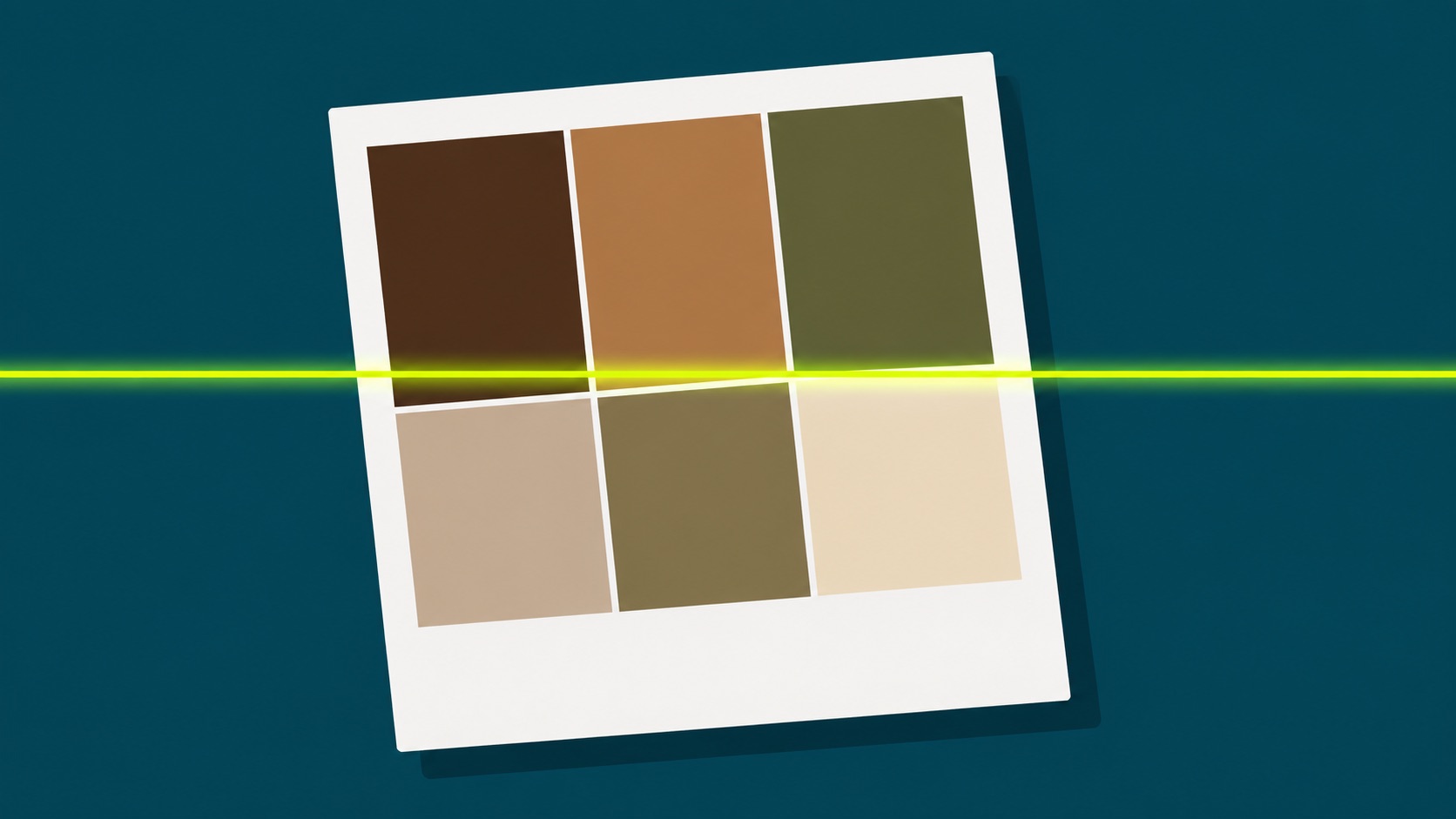
A stool scan is a reading of your stool taken from a photograph. You photograph the bowl, and an app’s AI scores what is visible: where the stool lands on the seven-type Bristol Stool Scale, how its color compares against a set of swatch families, and indicators derived from those features. Stoolio, the scanning app, returns your Bristol type with a plain-language line, a six-swatch color assessment, Hydration, Fiber and Fat Absorption Indicators scored out of 100, an Estimated Transit Time given honestly as a range, and one overall Stoolio Score for the scan — in about 30 seconds, free. The approach has direct evidence behind it: in a Cedars-Sinai study published in the American Journal of Gastroenterology in 2022, people with IBS photographed every stool for two weeks while two gastroenterologists graded the same images, and the smartphone AI characterized stool form about as well as the specialists and more accurately than the patients’ own descriptions. The limit is just as clear: a scan reads visible features, not causes — it is not a stool test, which sends a sample to a lab to measure what a stool contains, and it is not a diagnosis. Its real product is the baseline: scanned with some consistency, a private daily event becomes a dated record of your own normal, so a lasting change stands out early enough to bring to a clinician — and blood you can see, persistent pale or clay-colored stool, or a lasting unexplained change alongside pain, fever or unintended weight loss belongs with a clinician either way. Educational, not medical advice.
A stool scan is exactly what it sounds like: you photograph what you just produced, an AI reads the image, and a few seconds later the least-documented event in your daily life is a structured readout — form, color, and a set of indicators — instead of a vague impression you were never going to remember by Thursday anyway. Stoolio, the app we profiled when it brought the idea mainstream, does the whole read in about 30 seconds, for free. What this piece is about is the part that usually gets skipped: what a scan actually measures, the study that checked the machines against the specialists, and the short list of things no camera will ever see.
The readout: What one photo carries
Strip away the software and a stool carries two primal, visible signals. The first is form — where it lands on the Bristol Stool Scale, the seven-type chart two University of Bristol researchers published in 1997 precisely because form tracks how long the journey through you took. The second is color, which mostly reports on bile, diet, and speed. Every stool scan starts with those two, because those are the two a camera can read directly. A scan with Stoolio returns your Bristol type on the 1–7 scale with a plain-language line about what that form means, and a color assessment against six named swatch families, from pale through the browns to green and very dark.
From those visible features the app derives its indicators: a Hydration Indicator, a Fiber Indicator and a Fat Absorption Indicator, each scored out of 100, plus an Estimated Transit Time — given, honestly, as a range rather than a single number, because a photograph can gauge the pace of your gut without pretending to clock it to the minute. Sitting on top is one headline figure, the Stoolio Score, the app’s overall read of that scan. Note the wording the app itself uses: indicators, estimated, based on this scan. A stool scan is an instrument panel, not a verdict — and that is precisely what makes it useful.
The evidence: The machines versus the specialists
The obvious objection — can a phone camera really be trusted with this? — has been tested about as directly as it could be. In a Cedars-Sinai study published in the American Journal of Gastroenterology in 2022, people with IBS photographed every stool for two weeks while two gastroenterologists graded the very same images. The smartphone AI characterized stool form about as well as the specialists — and did it more accurately than the patients’ own descriptions of what they had produced. Which points at the quiet truth underneath this whole category: the weak link was never the camera.
You are a fairly unreliable witness to your own digestion. A scan is not — it applies the same criteria to every read, every single time.
That consistency is the entire trick. Asked how things have been lately, you will average, forget, and round toward whatever this morning looked like. A scan has no lately — it scores each photo against the same scale it used yesterday and the same one it will use in March, which is what turns a pile of private moments into something you can actually compare.
The distinction: A scan is not a stool test
Worth being precise about, because the words get used interchangeably: a stool test sends a physical sample to a lab to measure what a stool contains — chemistry and biology that no camera can see. A stool scan reads what a stool looks like, instantly, as often as you like, without mailing anything anywhere. They answer different questions. A test answers what is in it, today. A scan answers what does it look like — and has that changed? For everyday gut health, the second question is the one you will actually ask 300 times a year, and it is the one a scan was built for. Neither, it should be said plainly, is a diagnosis.
The same honesty draws the boundary on the other side. A short list of signals belongs with a clinician rather than any app: blood you can see, pale or clay-colored stool that sticks around, or a lasting unexplained change — especially one keeping company with pain, fever, or weight you did not mean to lose. A good scan habit does not replace that conversation; it hands you a dated, consistent record to bring to it, which is considerably more useful than “different, I think, since maybe July.”
The habit: One scan is a data point — the record is the product
Which is the right way to use one. A single scan is a curiosity; the value compounds when scans accumulate into a baseline — your usual form, your usual colors, your usual rhythm — because your normal is the reference every future reading gets judged against. Stoolio was built around exactly that: scan with some consistency, read the trend rather than any single day, and let the record fill in quietly in the background. It is free on the App Store, and private by design — your record, on your terms.
Your body has been publishing this report daily, for your entire life, to an audience of zero. The scan is just the moment somebody finally started reading it. This article is educational, describes what the cited research and the app’s own published readout show, and is not medical advice.