A Rare Salmonella Is Back in Raw Oysters, This Time Traced to One Virginia River
Federal investigators count 27 people in 12 states sick with Salmonella Telelkebir in an outbreak linked to raw oysters from one Virginia river, and the state counts 53 in its wider tally. Last year the same uncommon type sickened 80 people in an outbreak linked to raw oysters, and no single source was found.
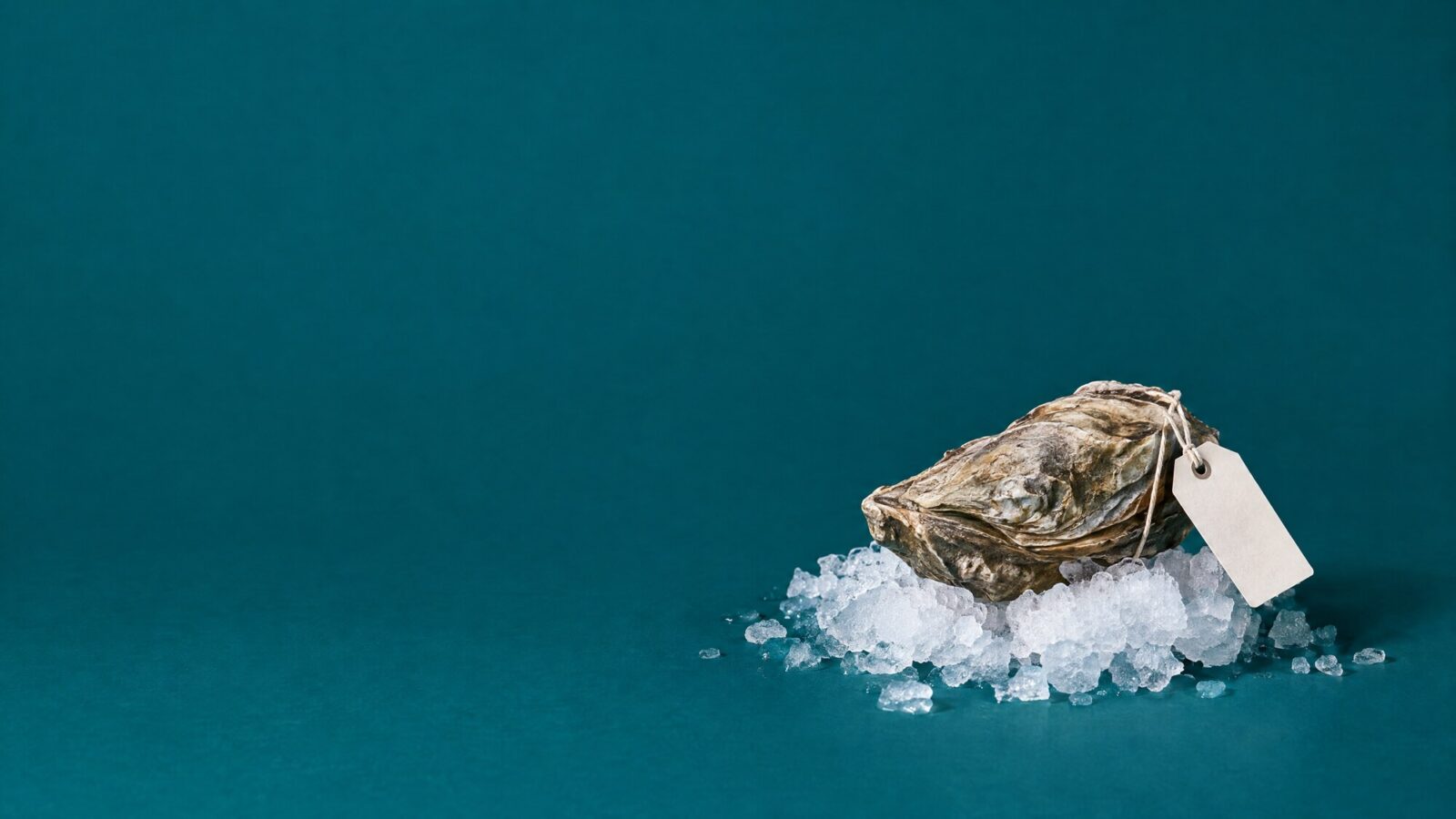
Yes. As of October 19, 2026, the FDA and CDC say whole shellstock oysters from Little Wicomico Oyster Company (VA-1421-SP), harvested from the Little Wicomico River in Virginia from September 18 through October 8, 2026, are recalled and linked to 27 Salmonella Telelkebir illnesses in 12 states, with 5 hospitalizations and no deaths. The FDA lists 16 places that received them: California, Colorado, Connecticut, D.C., Florida, Georgia, Illinois, Maryland, Missouri, North Carolina, New Jersey, Nevada, New York, Pennsylvania, Texas and Virginia. Oysters from other Virginia growing areas are not recalled.
The wider count has grown to 55 cases in 19 states as of October 21, with illnesses from late May to October 6, according to the Virginia Department of Health, updated October 21. The CDC count is unchanged at 27 people in 12 states, 5 hospitalized, as of its October 19 notice. Our reading: an illness that began October 6 falls inside the recalled harvest window of September 18 to October 8, so the line below that the people counted most likely ate oysters from before that window no longer covers the whole group; the state does not say which oysters that person ate. Virginia says genetic results on 400 oysters collected October 13 are still pending, a second round of sampling was planned for around October 21, and the initial closure of the river is expected to last 30 days.
A raw oyster arrives on a plate with almost no paperwork, but the sack it came out of carried a tag: who harvested it, from which water, on what day. Those tags are how this story got solved. We read the federal and Virginia notices line by line, set this year’s case counts beside last year’s, and checked what the numbers on the recall do and do not cover, because the question people are typing this week is simple: are the oysters I’m about to order part of it?
Below: exactly which oysters are recalled and where they went, why one outbreak has two different case counts, why this uncommon type of Salmonella is familiar to oyster investigators, and what it does once it reaches the gut.
The recall: whole shellstock oysters from Little Wicomico Oyster Company (VA-1421-SP), harvested from the Little Wicomico River, Virginia, September 18 to October 8, 2026, per the FDA on October 19.
The federal count: 27 people in 12 states, 5 hospitalized, no deaths, illnesses from May 29 to September 14, 2026, per the CDC on October 19.
The wider count: 53 cases in 18 states as of October 14, the most recent on September 21, per the Virginia Department of Health on October 20.
Last time: 80 people in 23 states were sickened by the same type in a 2025 outbreak linked to raw oysters; the CDC closed that case in February 2026 with no single source found.
The gut part: diarrhea, fever and stomach cramps, starting 6 hours to 6 days after eating, usually over in 4 to 7 days, per the CDC.
Sources: CDC, FDA, Virginia Department of Health, PubMed. Educational, not medical advice.
The recall: One company, one river, three weeks of harvest
The recall is narrow. According to the FDA safety alert updated October 19, 2026, it covers whole, in-the-shell oysters from Little Wicomico Oyster Company, shipper number VA-1421-SP, harvested from the Little Wicomico River or Little Wicomico River Lower in Virginia from September 18 through October 8, 2026. The company recalled them on October 9, has stopped harvesting there and contacted its customers, the FDA says. Our arithmetic: that is a 21-day harvest window.
The FDA lists restaurants and retailers in 16 places that received them: California, Colorado, Connecticut, the District of Columbia, Florida, Georgia, Illinois, Maryland, Missouri, North Carolina, New Jersey, Nevada, New York, Pennsylvania, Texas and Virginia, and adds that they “may have been further distributed.” The Virginia Department of Health lists the same places minus California. No federal or state notice names a restaurant or a store chain.
Oysters from Virginia’s other growing waters are not part of it. The state oversees more than 90 shellfish growing areas, according to the health department, and closed only the Little Wicomico River, effective October 9. Reopening takes three rounds of negative tests: the state collected 400 oysters on October 13, expected results on October 20, and planned a second round around October 21 and a third the week after. The closure is expected to last about 30 days, which our arithmetic puts near November 8.
If you are a diner, the practical step is to ask: Virginia’s notice tells businesses to review the shellstock tags for the harvest area, harvest date and other identifying details. The FDA adds that food carrying Salmonella “may look, smell, and taste normal,” so the tag, not the oyster, is the check.
Two counts: Why the CDC says 27 and Virginia says 53
Both numbers are right; they count different things. The CDC notice of October 19 lists 27 sick people in 12 states, 5 of them hospitalized and none who died. The Virginia Department of Health, updated October 20, says that as of October 14, 53 cases from 18 states had been reported in the wider Salmonella Telelkebir investigation, with illnesses from late May to September 21, and that the CDC is “focusing its investigation on a genomic subgroup of 27 cases from 12 states.”
In plain words: the 27 are the people whose bacteria match each other closely on a genetic fingerprint, the group investigators can tie to these oysters. Our arithmetic: that is 51% of Virginia’s 53. The CDC says it is still checking whether other foods or exposures explain the rest of the wider group.
The trail to the river came from the tags. In the CDC’s investigation update, 10 of 13 people interviewed (77%) said they ate raw oysters in the week before they got sick. Tag information was available for 7 of those 10, and oysters from the Little Wicomico River “were the only oysters in common” among the seven. The people who got sick range in age from 1 to 86, with a median of 41.
One date detail matters for reading the recall. The CDC’s 27 illnesses started between May 29 and September 14, 2026; the recalled harvest begins September 18. Our reading: the recall is aimed at oysters that could still be sitting on ice, not the ones already eaten. It also means the people already counted most likely ate oysters harvested before the recall window opened.
Second time: The same uncommon type ran through raw oysters last year
Virginia’s notice calls Salmonella Telelkebir “a rare bacterial strain.” It is not new to oyster investigators. In 2025 the CDC tracked an outbreak of the same serotype linked to raw oysters (its pages spell it Telekebir): by the final update on February 24, 2026, 80 people in 23 states had been sickened and 34 hospitalized, with no deaths. Illnesses ran from June 21 to December 22, 2025, and 26 of 43 people interviewed (60%) reported eating raw oysters.
That investigation ended without an answer: “No single common source of oysters was determined,” the CDC wrote, and no recall was issued. This year the tags pointed to one river within weeks. Our arithmetic: the two CDC counts add up to 107 people in two oyster-linked outbreaks of this one uncommon type, with illnesses from June 2025 to September 2026.
Why oysters: A filter feeder keeps what the water carries
Oysters eat by pumping water through their gills and keeping the particles. That is why, in the CDC’s words on raw shellfish, bacteria in coastal water “can concentrate inside oysters,” and why a raw oyster carries whatever its water carried that week.
How often that includes Salmonella depends on the water. Virginia’s notice cites FDA sampling in which 1.5% of oysters tested positive nationally. An older survey of 36 U.S. bays (Brands and colleagues, 2005) found Salmonella in 7.4% of oysters, and found it was “bay specific”: some bays had a lot, others none. Our reading: the risk follows the water, which is why Virginia closed one river rather than every oyster ground.
In the gut: What Salmonella does after the oyster
Once swallowed, Salmonella heads for the intestine, where it pushes into the cells lining the gut wall. The body answers with inflammation, and that inflammation is what brings the diarrhea, cramps and fever. A 2010 study in Nature (Winter and colleagues, PMID 20864996), done with a related type in mice, found the bacteria actually use that inflamed gut to their advantage: chemicals released during inflammation give Salmonella a way to breathe that the gut’s resident microbes lack, so it outgrows them.
The timeline, per the CDC: symptoms usually begin 6 hours to 6 days after swallowing the bacteria (the FDA’s alert puts the usual window at 12 to 72 hours), and most people recover without treatment in 4 to 7 days. Children under 5, adults 65 and older and people with weakened immune systems are more likely to get seriously ill. The CDC says to call a healthcare provider for diarrhea with a fever above 102°F, diarrhea for more than 2 days that is not improving, bloody diarrhea, vomiting that stops you keeping liquids down, or signs of dehydration such as peeing very little, a dry mouth or dizziness on standing.
The everyday version: cooking is the reliable fix. The CDC’s shellfish guidance lists boiling for at least 3 minutes, frying for 3 minutes at 375°F, broiling 3 inches from the heat for 3 minutes, or baking at 450°F for 10 minutes. Recalled oysters themselves should be thrown out or returned, and surfaces they touched washed with hot soapy water, the CDC says.
How we checked this: Sources and method
We read, on October 21, 2026: the CDC outbreak notice and investigation update dated October 19, 2026; the FDA safety alert current as of October 19, 2026; the Virginia Department of Health outbreak page last updated October 20, 2026; the CDC’s 2025 oyster outbreak notice and its final update of February 24, 2026; and the CDC’s raw shellfish prevention page. Studies are cited by PubMed number, with titles matched to the papers: PMID 15691945 (oyster survey) and PMID 20864996 (gut inflammation). Percentages and date gaps labelled “our arithmetic” are our own calculations from those documents. We will add a dated update when Virginia posts its test results or the counts change. This article is educational, describes what the cited sources say, and is not medical advice.