Dr. Trisha Pasricha: The Harvard Gut Doctor Chasing “Poophoria”
She took the least respectable subject in medicine, gave it a Harvard lab, a Washington Post column and a national bestseller — and invented a word for what she wants your mornings to feel like.
Dr. Trisha Pasricha, MD, MPH is a US gastroenterologist and physician-scientist at Beth Israel Deaconess Medical Center, an assistant professor of medicine at Harvard Medical School, and director of the Institute for Gut-Brain Research, where she leads an NIH-funded lab. She writes the Ask a Doctor column for The Washington Post and wrote the bestselling book You’ve Been Pooping All Wrong.
Most doctors who write for the public are trying to make a difficult subject respectable. Dr. Trisha Pasricha went the other way: she took the least respectable subject in medicine, gave it a Harvard lab, a national bestseller and a word of her own invention, and dared everyone to keep being squeamish about it.
The word is poophoria — her term for going quickly, painlessly and without a second thought. “I just want you to poop quickly, effortlessly, and then go live your best life,” she told NPR this spring. It is the whole thesis of a career that currently spans three jobs most people would consider a full one on its own.
The day jobA lab, a clinic and a newspaper column
Pasricha is a physician-scientist at Beth Israel Deaconess Medical Center, an assistant professor of medicine at Harvard Medical School, and director of the Institute for Gut-Brain Research at BIDMC, where she runs an NIH-funded laboratory studying how the brain and the gut talk to each other. She also sees patients — largely people with IBS and the kind of digestive problems that are difficult to pin down — and writes the Ask a Doctor column for The Washington Post.
The training behind that is about as conventional as medicine gets: Harvard College, medical school at Vanderbilt, internal medicine residency in the Osler programme at Johns Hopkins, then gastroenterology and neurogastroenterology fellowships at Massachusetts General Hospital, with a master’s in public health in biostatistics and epidemiology from the Harvard Chan School along the way. She has been recognised by the American Gastroenterological Association and the Parkinson’s Foundation — the latter because a real strand of her research concerns what the gut can reveal about the brain, years before anything else does.
A Harvard motility lab, a Washington Post column, and a book called You’ve Been Pooping All Wrong. All three are the same project.
The studyThe phone, the toilet, and 125 colonoscopies
The clearest illustration of how she works is the research that made her briefly unavoidable. Having read a 1989 British paper about people reading the newspaper in the loo, Pasricha decided to run the smartphone version. Her team surveyed 125 adults about their toilet habits before routine colonoscopy, then compared the answers with what the camera actually found.
The result, published in PLOS One in September 2025 with Dr. Chethan Ramprasad as lead author, was that people who used a smartphone on the toilet had 46 per cent higher odds of having haemorrhoids. The mechanism was not straining, which surprised people — it was time. Phone users were far likelier to sit past five minutes, and it is the sitting, unsupported, that appears to do the damage. Her practical version of the finding is a five-minute rule, and for patients who cannot leave the phone at the door, a “two TikTok limit.”
That is the pattern across her work: take an ordinary human behaviour nobody has bothered to study, study it properly, then hand back something a person can do tomorrow. The Harvard Gazette covered it, so did CNN, and for a few weeks in autumn the entire internet was slightly self-conscious in the bathroom.
The bookPermission, not perfection
You’ve Been Pooping All Wrong: How to Make Your Bowel Movements a Joy was published by Avery in April 2026 and became a national bestseller — a book that Daniel Pink credited with turning a taboo into a science lesson and a cultural critique at the same time. Its most reassuring quality is how little it demands. There is no magic frequency, no ideal colour: three times a day to three times a week is a perfectly healthy range, and a spectrum of shades is fine.
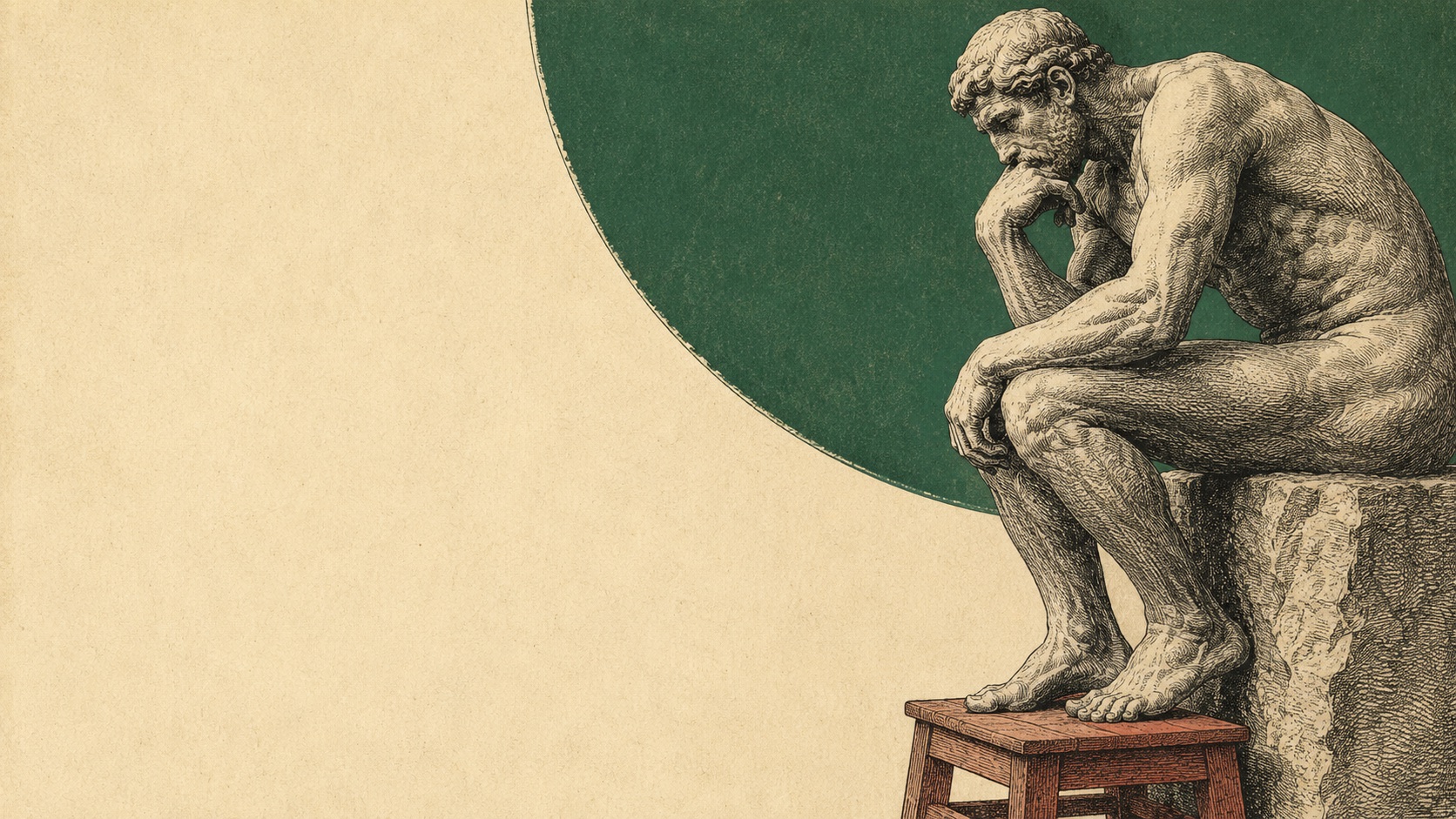
What she does push is unglamorous and well evidenced. Eat more fibre — it firms up what is loose and softens what is hard, and it feeds the colonic microbes that make the short-chain fatty acids linked to lower inflammation. Consider a psyllium supplement if food alone is not getting there. Go easy on ultra-processed foods and artificial sweeteners, citing research linking emulsifiers to a thinner gut mucus layer and higher intakes of ultra-processed food to more IBS. Get up and walk if nothing is happening; even a brisk walk stimulates bowel contractions. Put a footstool under your feet and lean forward, Rodin’s Thinker style, so the muscle that keeps the rectum kinked shut can relax.
The bigger pictureWorth naming plainly
As with any clinician with a public platform, the commercial side deserves stating: Pasricha has a bestselling book to sell, a Substack newsletter called Gut Checker, and the speaking and media career that follows both. It is a mild list by the standards of this beat — there is no supplement line with her name on it, and the advice she gives most often (fibre, water, walking, a footstool, five minutes) costs nothing. Her audience of around 167,000 on Instagram is also modest next to the biggest gut-health accounts, which is its own quiet signal about what she optimises for.
The genuinely unusual thing about Pasricha is the loop she has closed. She runs the lab that produces the finding, writes the column that explains it, and sees the patients it applies to — and the through-line is that the most ignored bodily function deserves the same rigour as any other. As she has put it, the goal is simply to hand people the information to make their own decisions. If something seems off, she is the first to say it belongs in front of your own doctor — she takes pictures of stool from patients in her clinical inbox and finds them genuinely useful. This article is educational, not medical advice.