Scientists Found a Gut Bacteria Linked to Being Healthy. Here’s the Catch.
A Cambridge-led study found a gut bacteria that shows up in healthy people and vanishes in the sick. It is a brilliant lead — and, in the most interesting way, nothing you can act on yet.
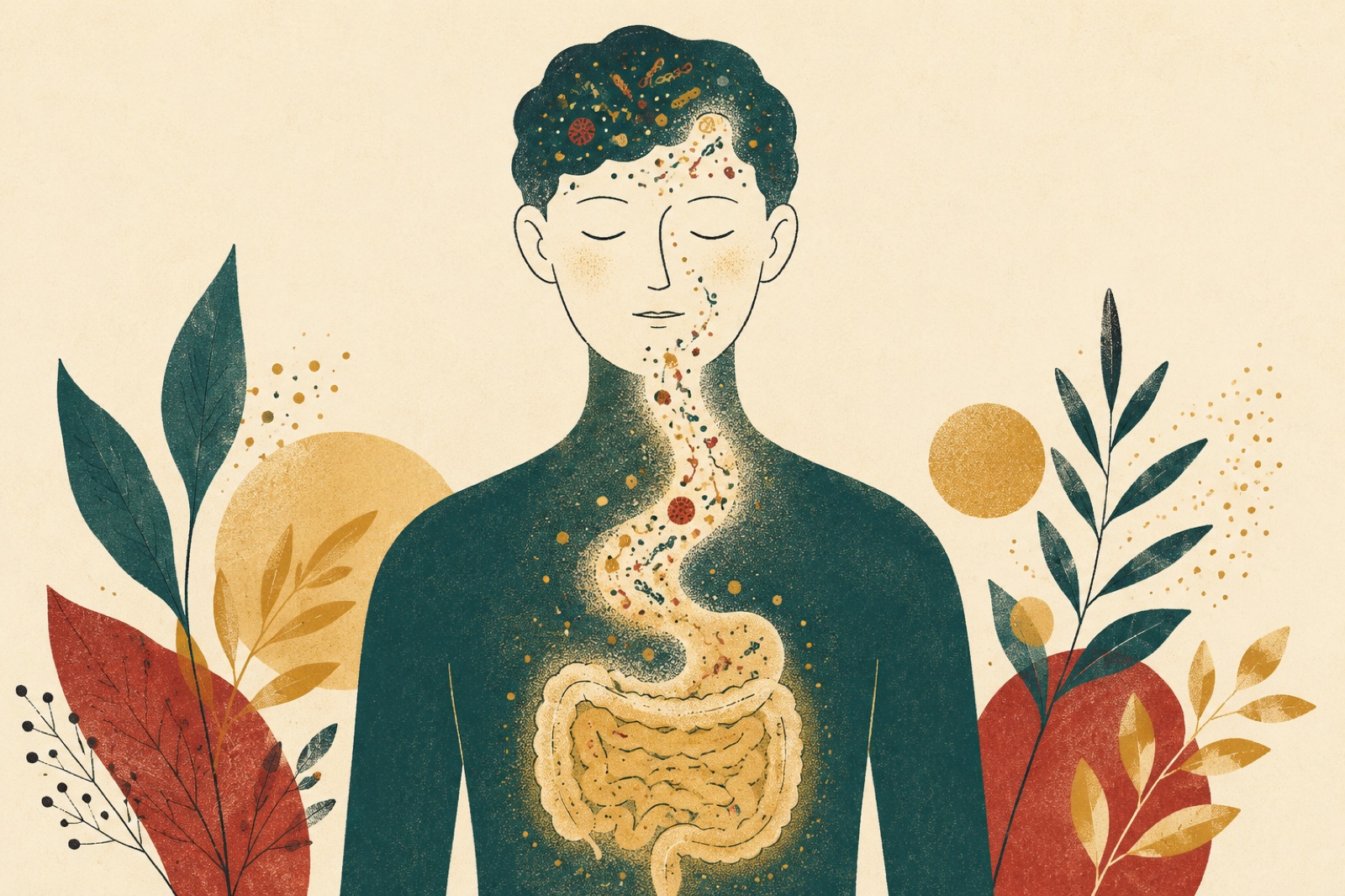
A 2026 Cambridge-led study of 11,115 gut samples across 39 countries identified CAG-170, the most consistently health-associated group of gut bacteria. The catch: it is largely uncultured — scientists cannot yet grow it — so you cannot buy, take or test for it. Feed the ecosystem it likes instead: varied, fibre-rich plants.
In February 2026, a University of Cambridge–led team published something the microbiome field has been chasing for years: a group of gut bacteria that shows up, again and again, in healthy people — and goes missing in people who are sick. They gave it an unglamorous name, CAG-170, and the study behind it is genuinely impressive. It is also, in the most interesting way, not something you can act on yet. Both halves of that are worth understanding.
What they foundOne signature across 39 countries
The researchers pooled and re-analysed 11,115 gut samples from 39 countries, spanning 13 different chronic diseases — one of the largest efforts of its kind. Across all that variation, one group of bacteria, CAG-170, stood out as the most consistently “health-associated” lineage they could find: markedly more abundant in healthy people and depleted in those with conditions from inflammatory bowel disease to obesity to chronic fatigue syndrome. Even better, it appears to earn its keep — the bacteria seem able to produce vitamin B12 and a wide range of enzymes that break down the carbohydrates and fibres we cannot digest ourselves.
The catchYou cannot buy it, take it, or test for it
Here is where the zero-hype rule earns its money. First, association is not cause: we do not yet know whether CAG-170 keeps people healthy or simply thrives in a gut that is already healthy for other reasons. Second, and more concretely, CAG-170 is largely “uncultured” — scientists have identified it from its DNA but cannot easily grow it in a lab, which is a prerequisite for turning it into anything. So there is no CAG-170 probiotic on a shelf, and there will not be one soon. Any supplement that name-drops this study in the next while is selling you the headline, not the bug.
CAG-170 is a brilliant research lead, not a product. You cannot buy it, take it, or test for it — and anything claiming otherwise is selling the headline.
Why it still mattersA target, and a hint
None of that makes it hype. A reliable “health-associated” signature gives researchers a target — something to grow, study and maybe one day cultivate into a real therapy, and a candidate for the kind of standardised gut marker that, as we have written, does not currently exist. It also offers a quiet hint for the rest of us: these bacteria flourish on exactly the diet everyone already recommends. They feed on the fibres in a varied, plant-heavy diet.
What to do with this todayFeed the good bugs you already have
The practical move is not to hunt for CAG-170 — it is to build the gut it likes to live in. That means the familiar, evidence-based basics: a wide variety of fibre-rich plants, some fermented foods, and less ultra-processed food. You cannot buy this particular bacterium, but you can absolutely feed the ecosystem it belongs to — and that, unlike a supplement, actually works. This is educational, not medical advice.