Fibermaxxing: What the Viral Gut Trend Gets Right (and Wrong)
All over #GutTok this summer — and, unusually, mostly right. The catch the videos skip: it is the food, not the powder, and the pace, not just the total.
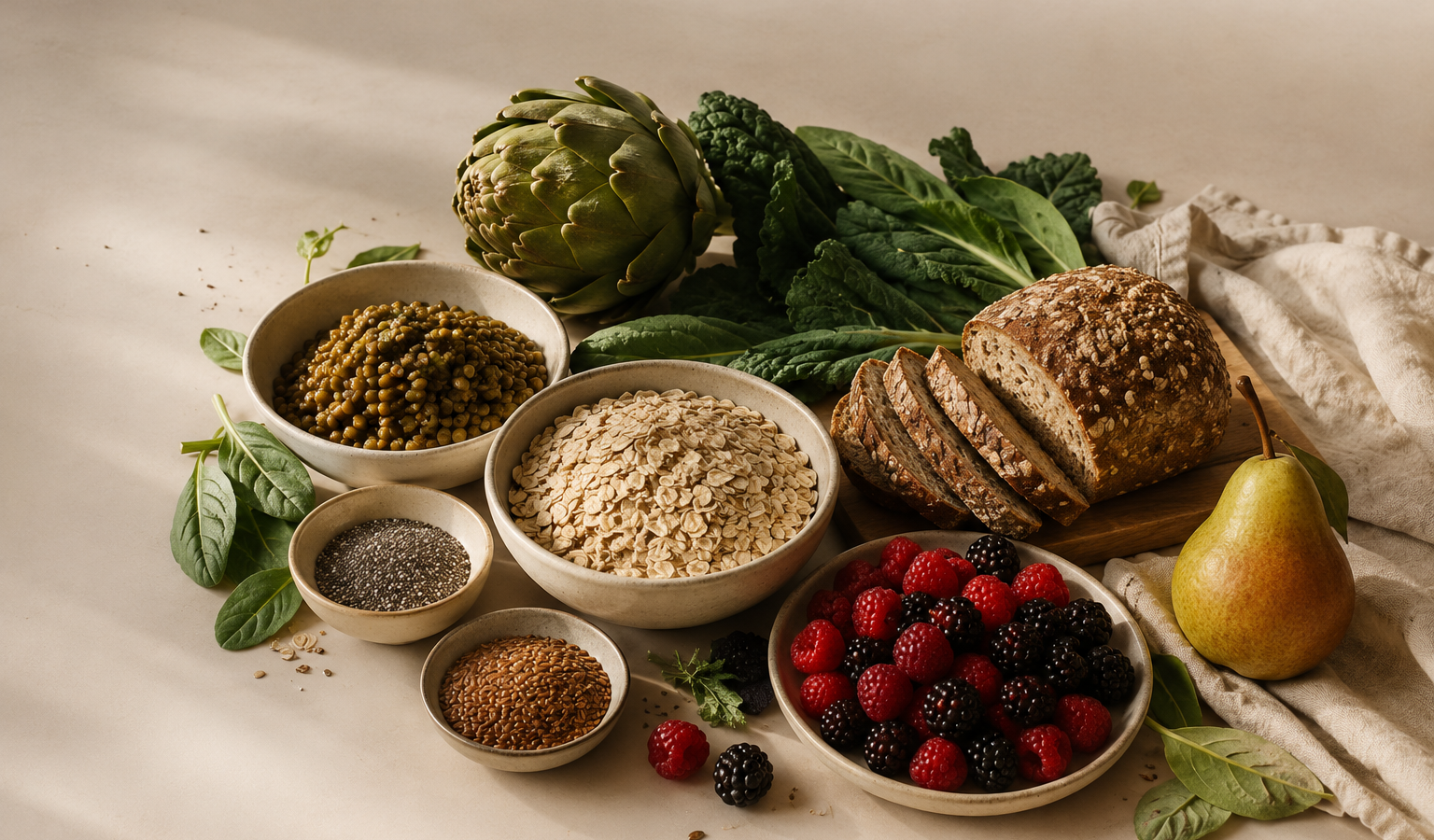
Fibermaxxing means deliberately eating a lot of fibre. It is a genuinely good idea when the fibre comes from whole foods — beans, oats, berries, greens — rather than supplement powders. Most people need more fibre, but add it gradually and drink water to avoid gas and bloating.

Scroll through #GutTok this summer and one word keeps surfacing: fibermaxxing. The pitch, repeated across thousands of videos, is that 2026 is “the year of the gut,” and the way to win it is to stop cutting foods out and start piling fibre in. It is, refreshingly, a wellness trend built on addition rather than restriction — and it is the rare viral idea that is mostly right. There is just one catch the videos tend to skip.
Watch this post on TikTok
The trend: What “fibermaxxing” actually means
Fibermaxxing is what it sounds like: deliberately eating a lot of fibre across the day, stacking whole plant foods — beans, lentils, oats, berries, chia, leafy greens — onto every meal to feed the gut microbiome. As a piece of nutrition advice, its instinct is sound. Fibre is the food your gut bacteria actually live on, and after years of diet culture telling people what to remove, a trend that tells them to add is a welcome correction.
Why it’s half right: The science loves fibre — from food
Here is the important distinction, and it is the one that separates good advice from a supplement pitch. Fibre is among the best-evidenced things you can do for your gut — it feeds beneficial bacteria, adds bulk, and keeps things regular. But the research behind those benefits studied fibre from whole foods, not scoops of isolated powder. As the trend’s more careful critics have noted, the version of fibermaxxing that means “more beans and oats and greens” is excellent; the version that means megadosing a tub of fibre supplement misses much of what made fibre work in the first place. Coverage of the trend, from Today to nutrition analysts, keeps landing on the same line: right idea, watch the execution.
It’s the rare viral trend that’s mostly right — as long as the fibre comes from food, not a scoop.
How much you actually need: Most people aren’t close
Part of why the advice lands is that most people genuinely need it. The Mayo Clinic puts the target at roughly 25 grams a day for women and 38 grams for men under 50, and surveys consistently find the average adult gets around half of that. So “eat more fibre” is not hype — for most of us it is simply true. The difference between soluble and insoluble fibre, and where each comes from, is worth knowing too; we break it down in soluble vs. insoluble fibre.
The catch nobody posts about: Ramp up slowly, and drink water
The part that rarely makes the highlight reel: how you get there matters as much as the number. Add too much fibre too fast and, as both the Mayo Clinic and Cleveland Clinic warn, you invite exactly the symptoms fibermaxxers are trying to avoid — gas, bloating, cramping and a lot of wind. Increase it gradually over a few weeks so your gut bacteria can adjust. And drink water: fibre works by absorbing it, so without enough fluid a fibre surge can backfire into constipation rather than relief. If you do lean on a supplement, the Cleveland Clinic advises not exceeding about 50 grams of supplemental fibre a day.
The verdict: Fibermaxxing, done right
Stripped of the branding, fibermaxxing is a genuinely good idea wearing a viral costume: eat more whole plants, add them gradually, drink water, and let the microbiome catch up. Done that way, it is one of the most reliable things you can do for your gut. A word of care before you sprint, though — if you have IBS, a history of bowel obstruction or strictures, or another diagnosed gut condition, a sudden fibre surge can cause real problems, so talk to a doctor first. And if bloating, pain or a change in your habits persists rather than settling, that is a reason to be seen, not to add another scoop. This is educational, not medical advice.
The internet does not usually hand serious health writers a trend they can mostly endorse. This is one of them — with an asterisk that fits in a sentence: it is the food, not the powder, and it is the pace, not just the total.