The Jalapeño Recall, Explained: What Happened at Chipotle and Qdoba
The peppers were grown in Sinaloa, distributed to restaurants including Chipotle and Qdoba, and recalled after a traceback reached a single grower. What the CDC and FDA have reported, figure by figure — and what the agencies say about eating at either chain now.
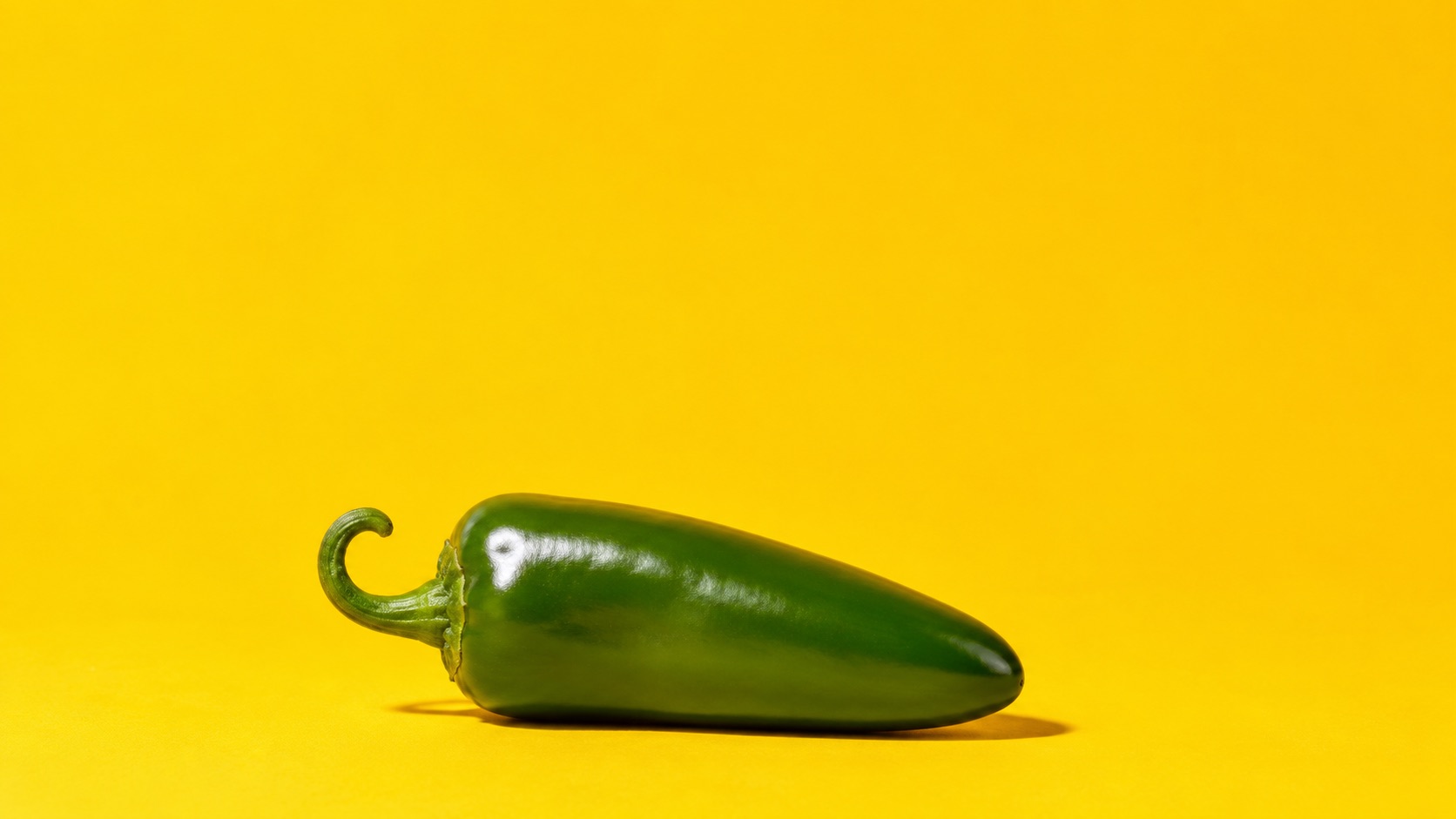
Fresh jalapeños grown in Sinaloa, Mexico and distributed by Coast Citrus Distributors caused a multistate Salmonella Javiana outbreak — 345 cases across 27 states, 36 hospitalisations and no deaths as of the CDC's 5 August 2026 update. On 10 August, Taylor Fresh Foods recalled more than 20 packaged grocery products made with those jalapeños, sold at Walmart, Target, Whole Foods, Kroger, Trader Joe's, Stop & Shop and Hannaford, with Best If Used By dates running to 16 August 2026. Consumers with recalled product are told to discard it and can claim a refund; the company says it is not aware of illnesses linked to its own products.
This story has moved from restaurants into supermarkets. Taylor Fresh Foods has recalled more than 20 packaged products containing jalapeños — salsas, dips, sandwiches, burritos and salad kits sold at Walmart, Target, Whole Foods, Kroger, Trader Joe’s, Stop & Shop and Hannaford. Some carry “Best If Used By” dates as late as 16 August 2026, so affected product may still be in refrigerators now. The full product list is below.
The summer’s second big foodborne-illness story arrived on a nacho. Federal and state health officials are investigating a multistate outbreak of Salmonella infections traced to fresh jalapeño peppers — peppers that were served, among other places, at Chipotle and Qdoba. Both chains have already pulled the affected product, the distributor has agreed to a recall, and the FDA says it does not consider the restaurants a current ongoing risk. Here is what the agencies have actually reported, figure by figure.
The short version: What happened?
According to the CDC’s outbreak page, dated 5 August 2026, epidemiologic and traceback data show that jalapeño peppers grown in Sinaloa, Mexico and distributed by Coast Citrus Distributors are the source of a multistate outbreak of Salmonella infections — the strain involved is Salmonella Javiana. The peppers went to wholesalers, restaurants and food-service companies, including Mexican-style restaurant chains. They do not appear to have been sold directly to grocery stores, though the FDA says it is still confirming the full distribution.
The numbers: How many people got sick, and where?
As of the agencies’ 5 August update: 345 confirmed cases across 27 states, 36 hospitalisations, and no deaths. Illnesses began between 19 June and 20 July 2026. The affected states run from California and Washington across the Midwest and South to Virginia — the FDA’s advisory carries the full list.
The exposure data is unusually clean for an outbreak investigation. Of the 191 sick people investigators interviewed, 177 — 93 percent — reported eating at a Mexican-style restaurant before falling ill, with meal dates between 14 June and 14 July. That is the signal that pointed the traceback at a shared ingredient, and eventually at a single grower in Sinaloa supplying Coast Citrus Distributors.
Of 191 people interviewed, 177 — 93 percent — had eaten at a Mexican-style restaurant before getting sick. That is what pointed investigators at a shared ingredient.
Two caveats travel with every outbreak count, and the CDC states both: the true number of sick people is likely much higher, because many recover without ever being tested, and recent illnesses may not yet be counted, because linking a case to an outbreak usually takes three to four weeks. Today’s figure is a photograph of several weeks ago.
The restaurants: What about Chipotle and Qdoba now?
Both chains stopped serving the affected peppers weeks before the outbreak was announced publicly. Per the FDA, Chipotle switched jalapeño suppliers for impacted stores beginning 20 July, and Qdoba stopped using jalapeños in its restaurants entirely on 28 July. The agency’s own conclusion, stated on its advisory: given those actions, the FDA and CDC “do not consider there to be a current ongoing risk from these establishments to consumers in this outbreak.”
It is the same structural story as this summer’s cyclospora outbreak, and worth being precise about in the same way: the traceback points at contamination arriving on the produce itself, through the supply chain — not at how any individual restaurant handled it. The pepper was the vehicle; the restaurants were where it happened to be served.
The recall: Which jalapeños are recalled?
Fresh jalapeños grown in Sinaloa, Mexico and distributed by Coast Citrus Distributors. After the FDA’s traceback identified a common grower, the agency recommended a recall; the distributor agreed, is contacting affected customers, and has stopped importing from that grower. That first recall covered loose peppers moving to restaurants and wholesalers — nothing a shopper could identify at home. The FDA said at the time that it would announce further recalls if grocery distribution turned up. It since has, in the form of the packaged-product recall below, which is the part with labels and date codes you can actually check. Anyone who froze jalapeños of unknown origin is advised to discard them.
The supermarket recall: Which packaged products are recalled?
On 10 August, Taylor Fresh Foods recalled more than 20 packaged products made with the affected jalapeños. These are finished grocery items — salsas, dips, sandwiches, burritos and salad kits — sold under both store brands and the Taylor Farms name. This is a separate action from the Coast Citrus distributor recall above, and it is the part that reaches home refrigerators.
| Sold at | Product | Best If Used By | States |
|---|---|---|---|
| Walmart | Freshness Guaranteed Hot Pico De Gallo Spicy, 10oz | 8 Aug – 16 Aug | FL, IL, LA, MN, NE, OK, WI |
| Whole Foods | Salsa Fresca Medium, 12oz | 7 Aug – 16 Aug | IL, TX |
| Kroger | Spicy Jarlsberg Dip, 10oz | 7 Aug – 15 Aug | IL, IN, KS, KY, LA, MI, MO, NE, OH, TX, WV |
| Kroger | Private Selection Spicy Roast Beef Sandwich, 8.53oz | 7 Aug – 12 Aug | AL, AR, GA, LA, MS, SC, TN, TX |
| Target | Taylor Farms Pico de Gallo, 16oz | 7 Aug – 14 Aug | TX |
| Hannaford | Diced Jalapenos, 3.75oz | 7 Aug – 14 Aug | ME, NY |
| Hannaford | Rice and Bean Burrito, 12.5oz | 7 Aug – 11 Aug | MA, ME, NH, NY, VT |
The company’s instruction is unambiguous: consumers who have any recalled product “should discard it immediately and not consume it,” and refunds are available at the place of purchase. Taylor Fresh Foods has set up a consumer line on 855-455-0098, open weekdays 8am–5pm Pacific.
One distinction is worth stating clearly, because the coverage tends to blur it: Taylor Fresh Foods says it is not aware of any reported illnesses linked to its own products. This is a precautionary recall of items made with jalapeños traced to the implicated grower, not a set of products that has been shown to make anyone ill. That is a meaningful difference — it means the system caught this upstream. It is still a recall, the instruction to discard still stands, and the reason to act is that checking a date code costs nothing.
Check the date first. Several of these run to 16 August, which means the product may still be in the fridge rather than long since eaten.
The illness: What does a Salmonella infection actually involve?
Per the CDC, most people infected with Salmonella experience diarrhoea, fever and stomach cramps, starting anywhere from six hours to six days after eating contaminated food, and most recover without treatment in four to seven days. Severe illness is less common and concentrates in specific groups — children under five, adults over 65, and people with weakened immune systems.
The CDC’s guidance on when to call a healthcare provider is specific, and worth relaying verbatim rather than paraphrasing: diarrhoea with a fever above 102°F, diarrhoea lasting more than three days without improving, bloody diarrhoea, vomiting that prevents keeping liquids down, or signs of dehydration such as reduced urination, a dry mouth and throat, or dizziness on standing.
Where to follow it: Primary sources, not aggregators
The investigation is open, which means every number in this article carries its date and will age. The CDC outbreak page tracks the case count and states; the FDA advisory tracks the product, the recall and the distribution question. Those two pages are the authoritative record. And as with every outbreak we cover: anyone with questions about their own symptoms is best served by a clinician, not a website. This article is educational and is not medical advice.