Kylie Sakaida: The Dietitian Who Adds, Never Subtracts
Most nutrition advice online is a list of things you are doing wrong. The biggest dietitian on TikTok built three million followers on the opposite premise — and before she was the internet’s dinner coach, she was the dietitian GI patients got sent to after the diagnosis.
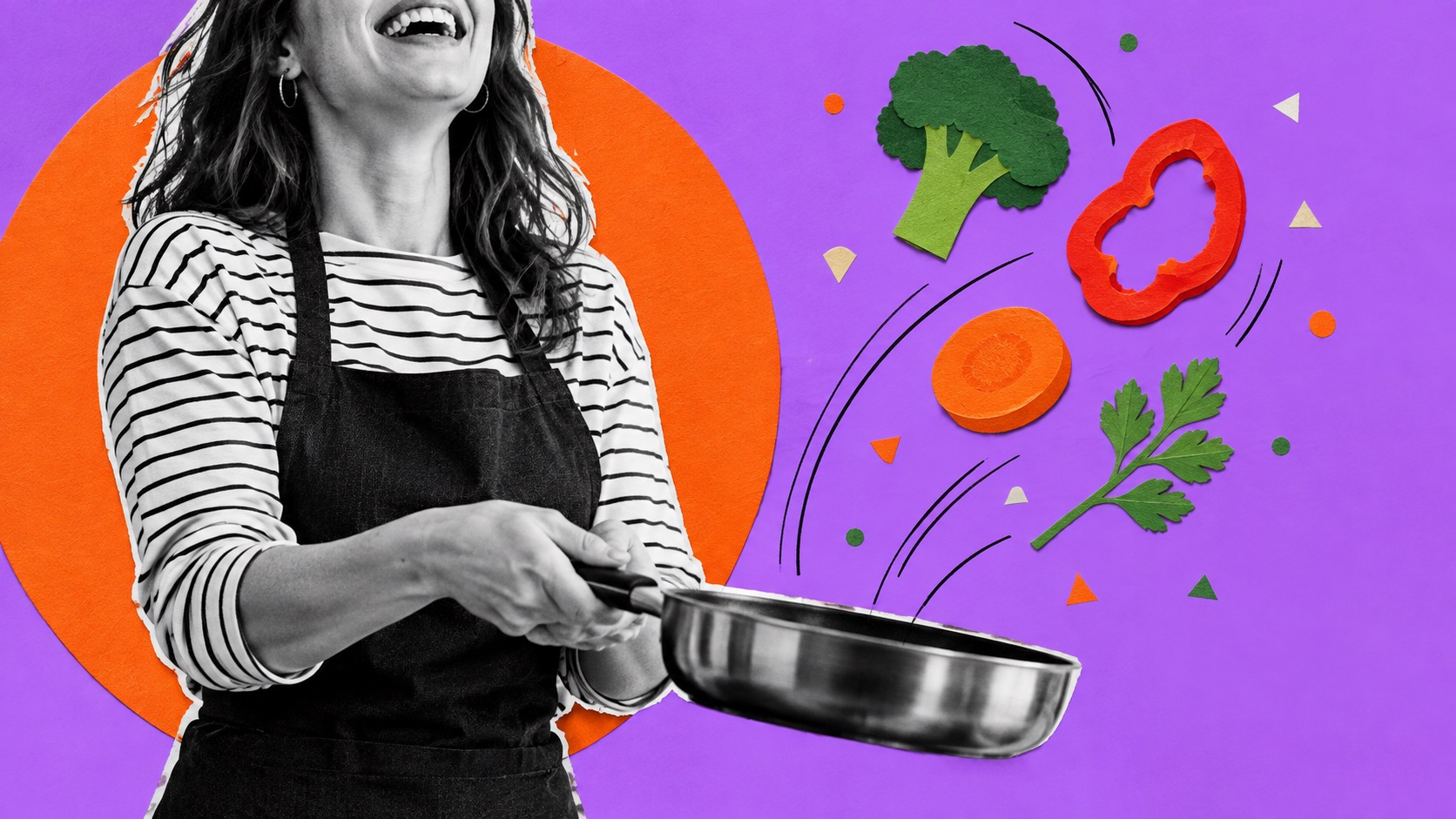
Kylie Sakaida, MS, RD — @nutritionbykylie — is a registered dietitian and the most-followed dietitian creator on TikTok, with 3 million followers there and about 1.9 million on Instagram as of August 2026. Her CDR registration has been active since March 2019 and is in good standing, verified on the registry itself. Born and raised in Honolulu, she took her BS and MS in nutrition science at Boston University, worked clinically at Massachusetts General Hospital and Boston Children's Hospital, and served as an outpatient dietitian at Cedars-Sinai specialising in gastroenterology before creating full time. Her philosophy is "add, don't subtract" — build the plate up with produce, fibre and protein rather than restricting — paired with a balanced-plate template and a running defence of culturally rooted foods like white rice and tofu. Her cookbook So Easy So Good (S&S/Simon Element, April 2025) was an instant New York Times bestseller. She is a registered dietitian, not a physician, and her brand partnerships (including gut-health products) are labelled on the posts themselves.

Most nutrition advice on the internet is a list of things you are doing wrong. The biggest dietitian on TikTok built three million followers on the opposite premise. Kylie Sakaida’s videos end with a sign-off that doubles as her entire professional philosophy — “always remember what you can add to, not what you subtract from, your meals” — and if that sounds simple, consider how little of the internet’s food content manages it. No fear, no detoxes, no forbidden lists. Just a plate, and the question of what would make it better.
The credentials: Verified, and more gut-relevant than you would guess
Sakaida is a registered dietitian — and in her case that is not a courtesy title from a bio. Her registration with the Commission on Dietetic Registration has been active since 2019 and is in good standing, a status we confirmed on the registry itself. Behind it: a bachelor’s and master’s in nutrition science from Boston University, clinical work at Massachusetts General Hospital and Boston Children’s Hospital, and then — the detail that earns her a place on a gut-health site specifically — a move to Los Angeles in 2021 to work as an outpatient dietitian at Cedars-Sinai specialising in gastroenterology. Before she was the internet’s dinner coach, she was the person GI patients got sent to after the diagnosis. She now creates full time, splitting her life between Los Angeles and New York.
The origin: A dietitian made her able to eat. So she became one.
The backstory is more personal than the brand lets on. Born and raised in Honolulu, of Japanese and Okinawan descent, Sakaida struggled as a child with ARFID — avoidant/restrictive food intake disorder, an eating disorder that makes whole categories of food feel impossible — and credits a dietitian with getting her eating again. The career is the debt repaid. She started the account in the summer of 2020 for a reason she has stated plainly: she could see how much food and nutrition misinformation was circulating online, and she was professionally qualified to answer it. Five years later the answer has three million TikTok followers, 1.9 million on Instagram and nearly two million on YouTube (as of this writing), which likely makes her the most-followed registered dietitian in the country.
Before she was the internet’s dinner coach, she was the dietitian GI patients got sent to after the diagnosis.
The method: Add, don’t subtract — and defend the rice
Her content runs on two ideas. The first is the addition principle: “focus on what you can add instead of what you can subtract,” as she put it to Newsweek — more vegetables, more fibre, more protein onto the plate you already eat, rather than a purge of everything suspect. The second is her balanced-plate template — roughly half produce, a quarter protein, a quarter starch — applied without ceremony to real food: instant ramen upgraded with an egg and greens, frozen dumplings, rice-cooker meals, the viral mason-jar noodles. And threaded through all of it, a position that matters more than it gets credit for: a running defence of culturally rooted foods — white rice, tofu, Spam, seaweed, the fermented staples of the Asian pantry — against a wellness culture that keeps mislabelling them as failures. For a generation that gets its nutrition advice from the same feed as its guilt, a credentialed voice saying your grandmother’s food is not the problem is quietly radical.
The book: The feed, bound and indexed
So Easy So Good: Delicious Recipes and Expert Tips for Balanced Eating (S&S/Simon Element, April 2025) became an instant New York Times bestseller — the balanced-plate method at book length, with the same register as the videos: expert tips without the exam, dinners that assume you are tired. Fibre — the nutrient this publication never stops writing about — runs through it as a quiet through-line, the same way it runs through her feed, where a day of eating built around hitting 25 grams is a recurring format. Her weekly Substack extends the same material to a newsletter audience.
Worth naming plainly: The commercial side
The business is what you would expect at three million followers, and a fair profile lists it. There is the bestselling cookbook. There are brand partnerships, clearly labelled as ads on the posts themselves — recent ones include Kashi (for, fittingly, a gut-health granola), Quest Nutrition, and a digestive-health campaign for the supplement brand Nature’s Way; she is also a Fresh Express ambassador. There are affiliate storefronts on Amazon and LTK, a paid tier on her Substack, and talent representation by Select Management Group. There is no supplement line of her own, no course and no app — and her advice keeps its centre of gravity in the grocery store rather than the supplement aisle, which is exactly where a dietitian’s advice should live. As ever: the free core — add produce, add fibre, build the plate — is complete without buying anything.
What earns Sakaida the Inner Circle spot is the combination that is rarest on this beat: real clinical credentials — including genuine GI-clinic experience — pointed at the least clinical possible audience, with a message that makes eating better feel like an addition to your life instead of a sentence. She is a registered dietitian, not a physician, and her content is general education rather than individual counselling — anyone with a diagnosed condition or persistent digestive symptoms should be working with their own clinician or dietitian directly. This article is educational, not medical advice.