Fiona the Hippo Is Trying to Pass a Hat Through a Gut That Holds Food for Days
The Cincinnati Zoo’s 2,400-pound hippo swallowed a knit cap about 10 days ago, and surgery is off the table. A hippo gut normally holds a meal for two to four and a half days, and it may move big pieces as fast as small ones.
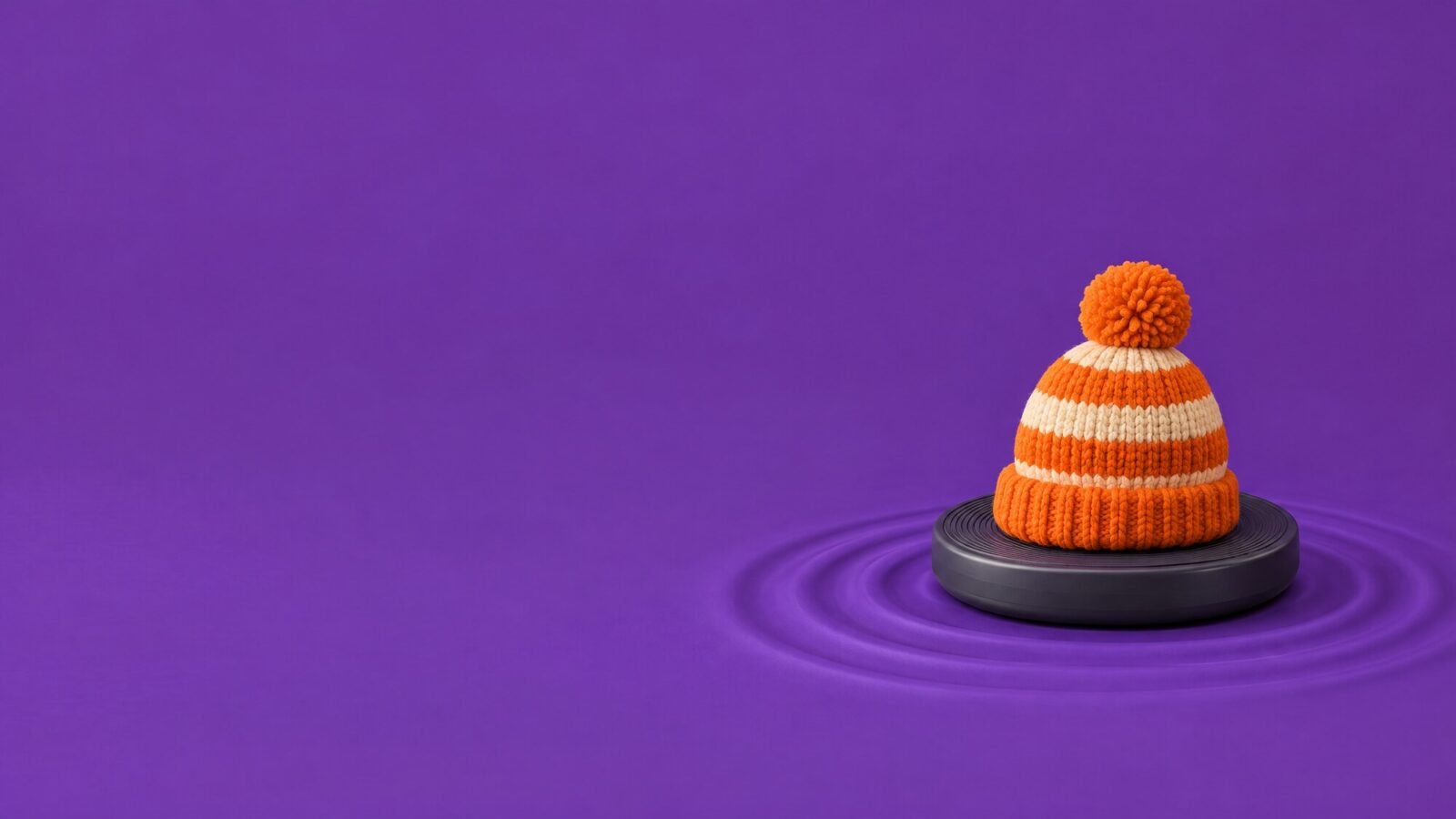
Yes, a hippo can pass a hat, and the Cincinnati Zoo said on November 18 it is cautiously optimistic Fiona will. A 2004 study of four common hippos (Clauss and colleagues, PMID 15596390) timed food particles in the gut at 48 to 106 hours and found larger pieces may leave as fast as small ones. Fiona swallowed the knit cap about 10 days before November 18, WVXU reported, so the zoo added fluids, enemas and a vibration plate; its vet said surgery is not an option for a full-grown hippo.
Fiona has died. The Cincinnati Zoo announced on November 19, 2026 that its hippo, who would have turned 10 in January, did not recover after swallowing the hat last week. “Despite multiple attempts to move the hat out of her system, it was ultimately too much to overcome,” the zoo said in its statement, adding that the care team gave supportive care that day but she did not recover. “We did not expect this outcome. She fought until she couldn’t anymore,” said zoo director Dave Jenike. The zoo has not published a cause of death beyond that statement, and its staff have asked for space. The reporting below is as it stood on November 18 and 19, before the zoo’s announcement.
Somewhere behind the glass at Hippo Cove, a 2,400-pound hippo is standing on a vibrating plate borrowed from a horse farm, and the whole internet is asking the same small question: can a hippo actually pass a hat? We went to the zoo vet’s own words and to the one study that timed food moving through a hippo’s gut, to give that question a plain answer.
The short version: a hippo’s gut is slow by design, the zoo has said it is cautiously optimistic, and the numbers explain why the care team moved from waiting to a gentle shake. Here is what is known, what the science says about how a hippo moves things along, and what the everyday version looks like for the rest of us.
The moment: Fiona, the Cincinnati Zoo’s 9-year-old hippo, swallowed a knit cap a visitor accidentally tossed into her habitat about 10 days before November 18, according to WVXU.
Her size: about 2,400 pounds (WVXU), roughly 83 times the 29 pounds she weighed at her premature birth in January 2017 (our arithmetic).
The number: in a 2004 study of four common hippos, food particles stayed in the gut for 48 to 106 hours, about two to four and a half days (Clauss and colleagues, PMID 15596390).
The mechanism: a hippo is a foregut fermenter that does not chew the cud; its long forestomach works like a slow conveyor, and the same study found bigger pieces may leave as fast as small ones.
The care: fluids, enemas, a 9-foot scope borrowed from the Columbus Zoo, and a vibration plate borrowed from a horse farm; surgery is not an option for a full-grown hippo, the zoo’s vet said.
Sources: WVXU and Popular Science (Nov 18), the Associated Press (Nov 18-19), PubMed. Educational, not veterinary or medical advice.
What happened: A knit cap, a ceiling fan and a gap above the glass
Fiona swallowed a knit cap that a visitor accidentally tossed into her habitat, the Cincinnati Zoo said, and a ceiling fan carried it through an opening above the 12-foot viewing windows, according to the Associated Press. By November 18 it had been inside her for about 10 days, WVXU reported. At first the zoo said Fiona was big enough that a small hat should pass and that she showed no symptoms. A few days later her keepers noticed her appetite dropping.
On Tuesday, November 17, the care team sedated her for tests. Mike Wenninger, the zoo’s director of animal health, said in a video the zoo posted that “ultrasound today did show that there’s some bunching of intestines,” and that “we do think she’s passing something through her small intestine,” as quoted by WVXU. “She was a little dehydrated, so we repeated fluid therapy,” he said. “We did enemas, and we borrowed a nine-foot scope from Columbus Zoo.” The scope could not reach the cap.
“Surgery isn’t an option for full-grown hippos.” Mike Wenninger, director of animal health, Cincinnati Zoo, in a video posted November 17, 2026, as quoted by WVXU
On Wednesday the zoo tried something new: a vibration plate borrowed from a local horse farm. “The hope is that the vibrations will help encourage movement through her digestive tract and help the object pass,” the zoo said, as quoted by Popular Science, adding that her team is “cautiously optimistic that she will pass it and return to her usual self.” She also perked up at the smell of coffee, one of her favourite scents. Fiona is off exhibit and watched around the clock, and the zoo has said more procedures may follow.
The number: A hippo gut holds a meal for two to four and a half days
The one study that timed it found that food moves slowly through a hippo. In 2004, Clauss and colleagues fed marker-tagged fibre and fluid to four common hippos and four pygmy hippos and measured how long each stayed inside. In the common hippos, fluids stayed 20 to 35 hours and food particles 48 to 106 hours, the paper in Comparative Biochemistry and Physiology reports. That is two to about four and a half days for an ordinary mouthful of grass (our arithmetic: 106 hours divided by 24).
Set Fiona’s timeline against that and the zoo’s change of tack makes sense. About 10 days is roughly 240 hours, around 2.3 times the longest average the study measured (our arithmetic). That figure is an average for small fibre markers, not a deadline for a hat: no one has timed a knit cap through a hippo, and a soft object can take its own route. Our reading is simply that the cap has stayed well past the normal transit window, which is why the team added fluids, enemas and the vibration plate rather than only waiting.
The mechanism: Why a hippo might move a big object better than a cow would
Hippos are foregut fermenters that do not chew the cud. Microbes in their forestomach start breaking down grass before it reaches the rest of the gut. The 2004 study found that hippo markers left the body in a pattern unlike a cow’s and closer to a kangaroo’s, which the authors describe as a plug-flow system: food moves through the forestomach in order, like a slow conveyor, rather than being mixed and held in a vat.
That detail matters for a hat. A cow’s rumen holds large pieces back until they are chewed small enough to leave. The Clauss study found that in hippos, larger particles “might be excreted either faster or at the same rate as smaller particles.” Our reading: a hippo’s gut is not built to trap big items the way a ruminant’s is, which fits the zoo’s first expectation that a small hat should pass. The same paper describes hippos as eating relatively little for their size and digesting slowly, so patience is part of the plan.
Wenninger paired the ultrasound finding of bunched intestines with the view that Fiona is passing something through her small intestine. Our reading: the vibration plate is meant to help the gut’s own muscle waves move things along from the outside, and the fluids answer the mild dehydration he described. Surgery on an animal of 2,400 pounds is a different matter, which is why the zoo’s specialists ruled it out and why the best outcome, in Wenninger’s words, is for Fiona to pass the cap on her own.
The everyday version: What happens when people swallow things
People swallow things too, children most of all, and most of it passes. A 2025 review for general practitioners in Mayo Clinic Proceedings says most foreign body ingestions resolve on their own and that endoscopy, a camera on a flexible tube, is the preferred tool when one does not. A 2026 review in American Family Physician notes that coins often pass, while button batteries, magnets and sharp objects need prompt care, and that soft absorbent objects are removed promptly because they can block the food pipe. The object, where it sits and the symptoms decide the plan, which is exactly the logic Fiona’s team is following at hippo scale.
Fiona has beaten long odds before. She was born six weeks early in January 2017 at 29 pounds, and her early care drew in specialists from Cincinnati Children’s Hospital. This page will add a dated update when the zoo says the cap has passed.
How we checked this: Sources and method
We read WVXU’s November 18 report, which quotes Mike Wenninger from the zoo’s own video; Popular Science’s November 18 report with the zoo’s statement; the Associated Press report of November 18 and 19; the Cincinnati Enquirer’s November 18 update; and the zoo’s Fiona page, which carried no release on the cap when we checked on November 19. The zoo’s quotes are printed as those outlets reported them. The digestion figures come from Clauss and colleagues, 2004 (PMID 15596390), and the human comparisons from the Mayo Clinic Proceedings review (PMID 40754397) and the American Family Physician review (PMID 42101596), each matched by title. Every calculation labelled ours is written out in our notes. This article is educational, describes what the cited sources say, and is not veterinary or medical advice.