Why Is Your Poop Green?
The usually-harmless answer involves chlorophyll, a rushed schedule, and bile that ran out of time.
Green stool is most often caused by eating leafy greens or green-dyed foods, or by food moving through the gut so fast that bile does not fully break down. It is usually harmless and temporary.

Green is the color that sends people to their phones at midnight. It looks wrong in a way brown never does, alarming enough to interrupt an evening — and yet, of all the surprises the gut can spring, it is very nearly the most harmless. The short version: green is usually a story about speed, or about dinner, and only rarely about anything else.
The green in the pipe: Bile starts out green
The key fact is that bile — the fluid the liver makes to digest fat — is not brown but green. Brown is what bile becomes, gradually, as gut bacteria work on its pigments during the long trip through the intestine. Speed that trip up, and the chemistry never finishes. As Cleveland Clinic puts it, food that rushes through can arrive still wearing bile’s original green.
The exact shade rarely adds information. A vivid, almost lime green usually points to food dye or an unusually fast transit; a darker, olive green is more often diet or iron. Neither tone changes the basic story, and neither is worth a second look on its own.
That is why loose and green so often travel together. Whatever hurries the gut — a stomach bug, a big coffee, a nervous morning — both loosens the stool and strands the bile in its green phase. The color is not a disease; it is a timestamp, the same one the Bristol scale reads, telling you the journey was quick. For the mechanics of that journey, see how long digestion takes.
Green is not a disease. It is a timestamp — the gut telling you the trip was fast.
The usual suspects: Mostly your plate and your pills
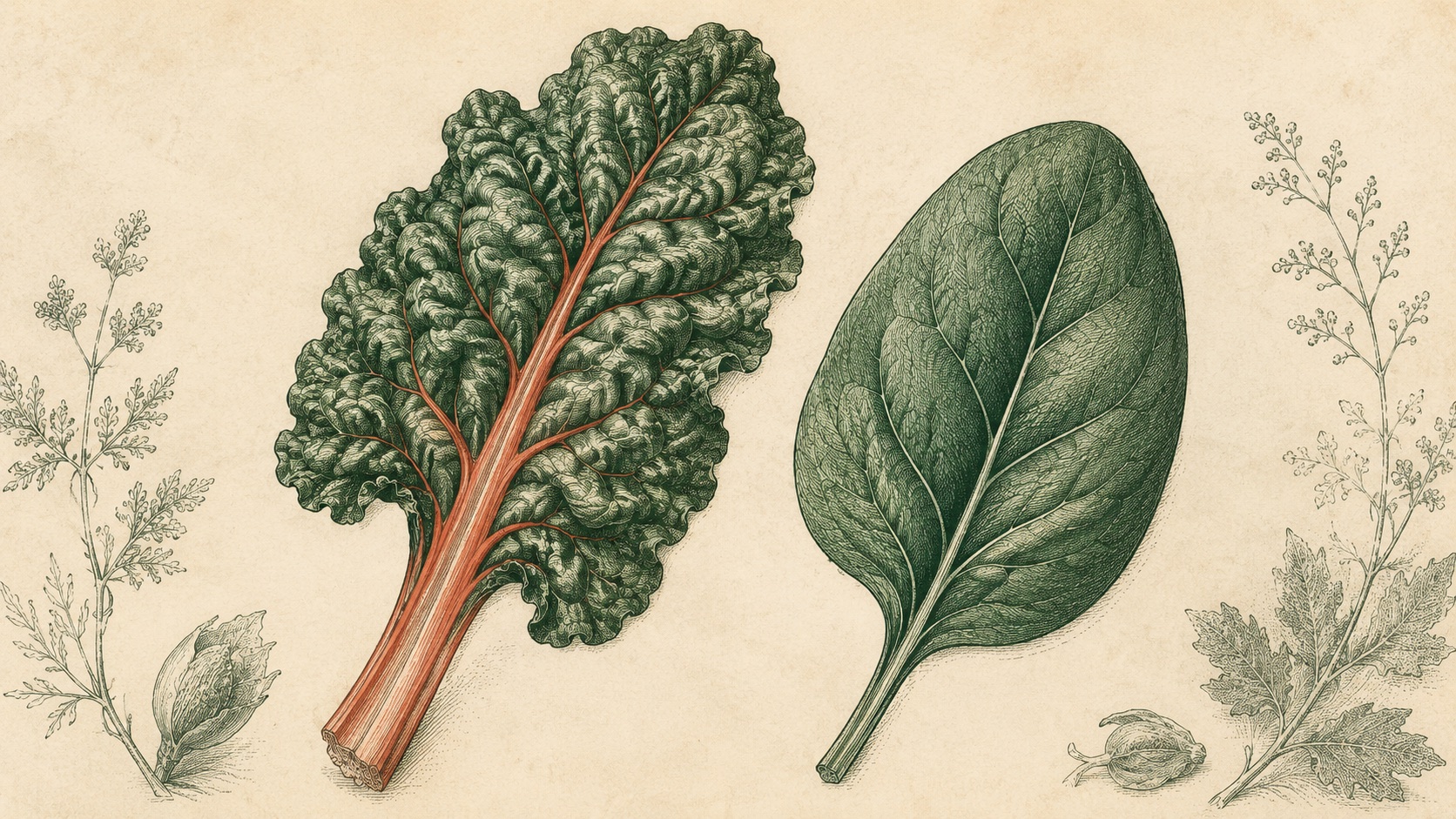
Far more often, green is simply diet. A large helping of leafy greens — spinach, kale, chard — carries enough chlorophyll to tint the result, and Harvard Health notes that the effect survives digestion intact. Green food dye does it even more reliably: the frosting on a birthday cake, a blue sports drink, a green beer in March. Deeply pigmented foods like blueberries can push things toward green as well.
The trigger is often something you would not think to blame. Sugar-free candies, heavily processed snacks with added color, sports drinks, and popsicles all carry enough dye to tint a stool. If the color appeared out of nowhere, the label on something you ate in the last day is the first place to look.
Supplements are the other common cause. Iron tablets are the classic culprit, and Northwestern Medicine lists them alongside certain other medications. In each of these cases the explanation is on the receipt, not in the body, and the color clears within a day or two of the trigger passing.
The less common causes: Infections and antibiotics
A smaller set of causes is worth knowing. Gut infections — salmonella, the parasite giardia, the norovirus that races through daycares and cruise ships — all speed the gut along, which is exactly what strands bile in green. Antibiotics can do it too, by disturbing the bacteria that normally finish the color change. In these cases the green usually arrives with other, louder signals: cramping, diarrhea, fever, a general sense of being unwell.
When green is worth a call: Persistence and company
The line is the same one that governs stool color generally: a single green day, traced to a meal or a passing bug, is noise. Green that persists for more than a few days with no dietary explanation, or that comes with significant pain, fever, vomiting, or signs of dehydration, is worth a doctor’s call — less because the green itself is dangerous than because whatever is speeding the gut may need attention. And any actual blood, red or black, is its own separate reason to be seen.
In practice, the green worth acting on almost always announces itself with company: diarrhea that will not stop, a fever, vomiting, or the dizziness and dry mouth of dehydration. Green on its own, in a person who otherwise feels fine, is close to meaningless.
For nearly everyone, though, the reassuring math holds. Retrace the last day of meals and supplements, and the green almost always has a name. It is one of the few alarms the body raises that is usually a false one — the gut being fast, or dinner being green, and very little else.